
Beginner Jump Rope Routine: 10 Elite Tricks for a Balanced Routine

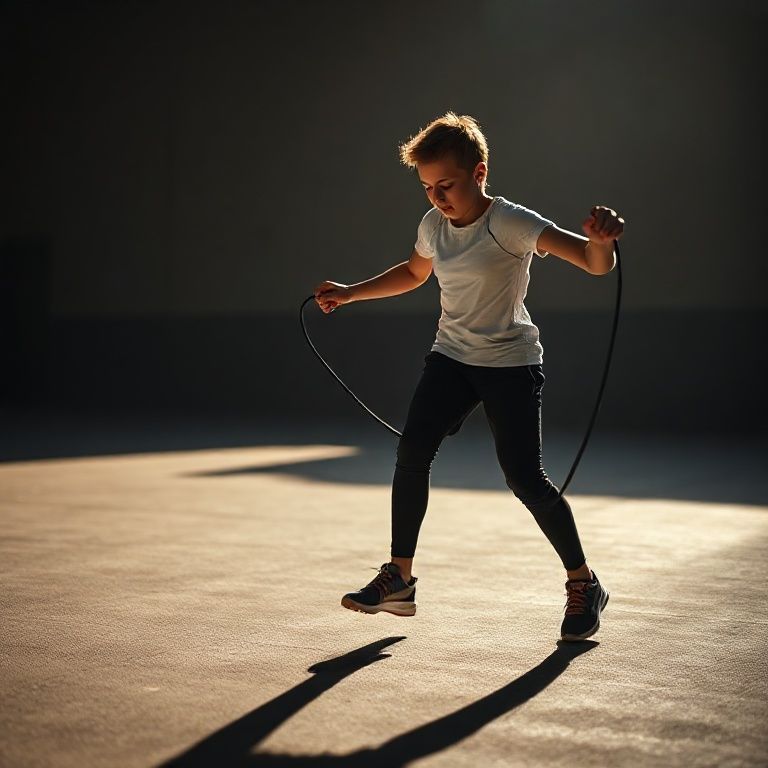
beginner jump rope routine

Introduction
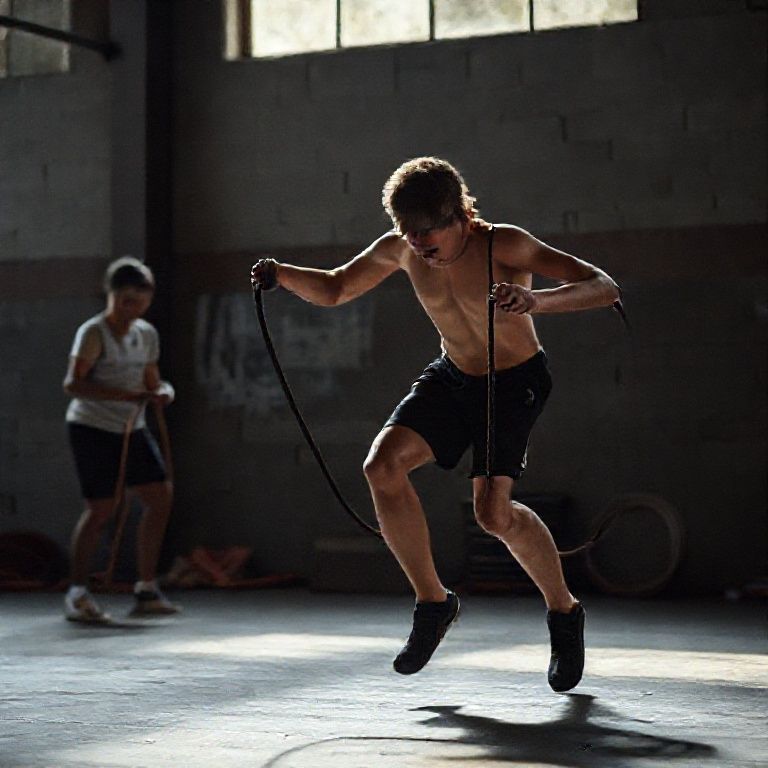
For those looking to get in shape and improve their overall fitness, jumping rope is a great way to start. However, many people are intimidated by the idea of starting a new exercise routine, especially when it comes to something as high-intensity as jump roping. This is where a beginner jump rope routine can be a game-changer. Not only is it an effective way to burn calories and improve cardiovascular health, but it’s also a fun and engaging workout that can be done almost anywhere.
As a beginner, it’s essential to start with a routine that’s both challenging and manageable. A well-structured routine will help you build endurance, increase your speed, and master the basics of jump roping. By incorporating simple exercises and gradually increasing the difficulty level, you’ll be able to improve your overall fitness in no time.
In this article, we’ll take a closer look at a beginner-friendly jump rope routine that’s perfect for those just starting out. We’ll cover everything from the basics of proper form and technique to more advanced moves and exercises that will help you take your jump roping skills to the next level. Whether you’re looking to improve your fitness, boost your energy levels, or simply have fun while getting in shape, this beginner jump rope routine is a great place to start.
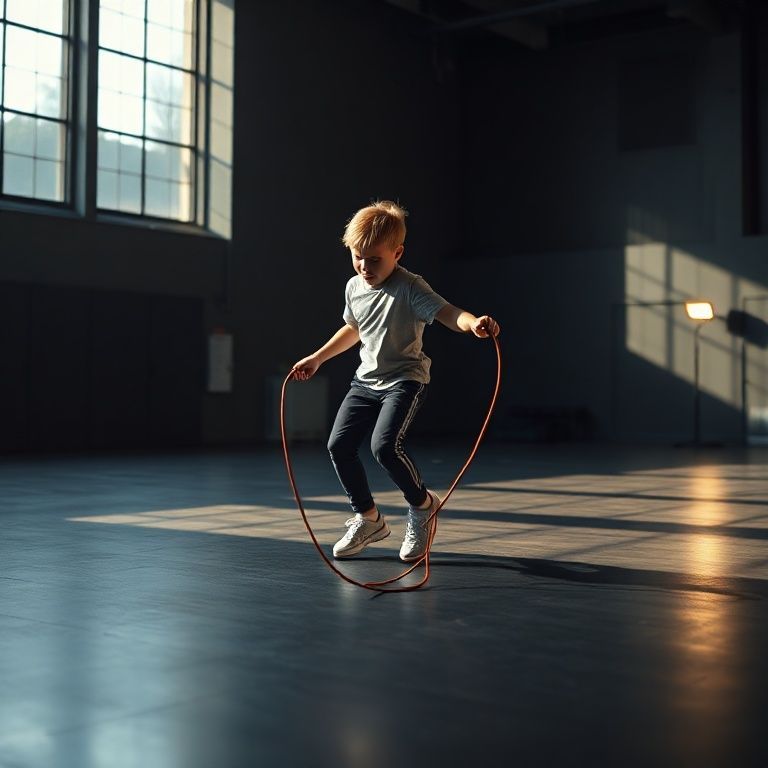
# Beginner Jump Rope Routine
Getting Started
Before you begin your beginner jump rope routine, it’s essential to understand the basics of jump roping and prepare yourself physically and mentally.
Choosing the Right Equipment
Select a good-quality jump rope that is comfortable to hold and has a steady swing. A rope with a length of 8-10 feet (2.4-3 meters) is ideal for beginners. You can adjust the length as you become more comfortable with the movement.
Preparing Your Body
Before starting your routine, warm up your muscles with some light cardio exercises such as jogging in place or jumping jacks. This will help prevent injuries and get your blood flowing.
Stretching and Flexibility
Take a few minutes to stretch your legs, calves, and core muscles. Focus on loosening up your ankles, knees, and hips. This will help improve your flexibility and reduce the risk of injury.
The Routine
Now that you’re ready to start, follow this step-by-step guide:
Warm-Up (2-3 Minutes)
1. Hold the rope handles in each hand and swing the rope in a circular motion, getting a feel for its weight and swing.
2. Gradually increase your speed as you get comfortable with the movement.
Jumping Technique
Focus on developing good jumping technique to avoid fatigue and injury:
Basic Jump (30 Seconds)
1. Hold the rope handles in each hand and swing the rope in a circular motion, keeping it close to your legs.
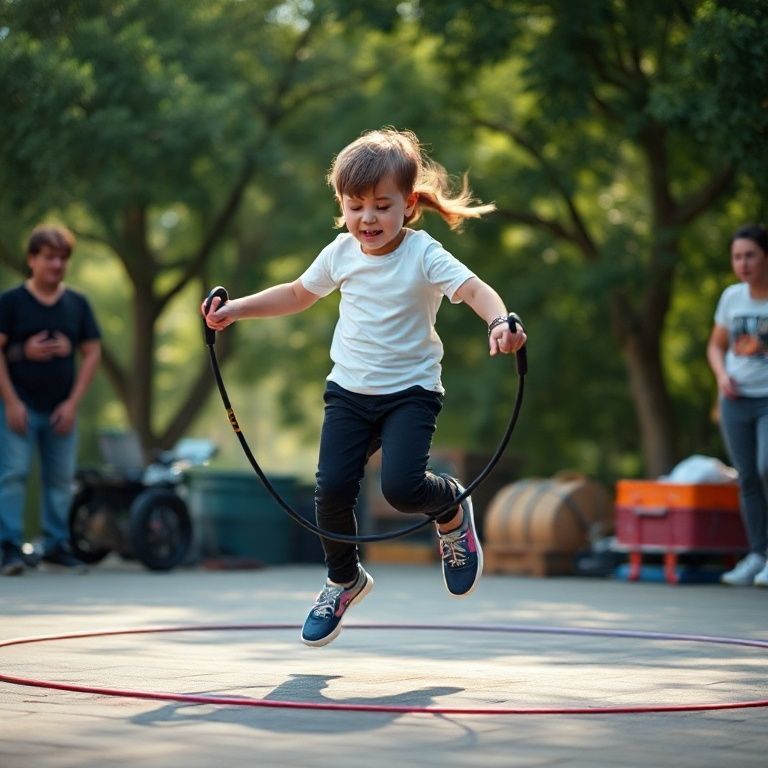
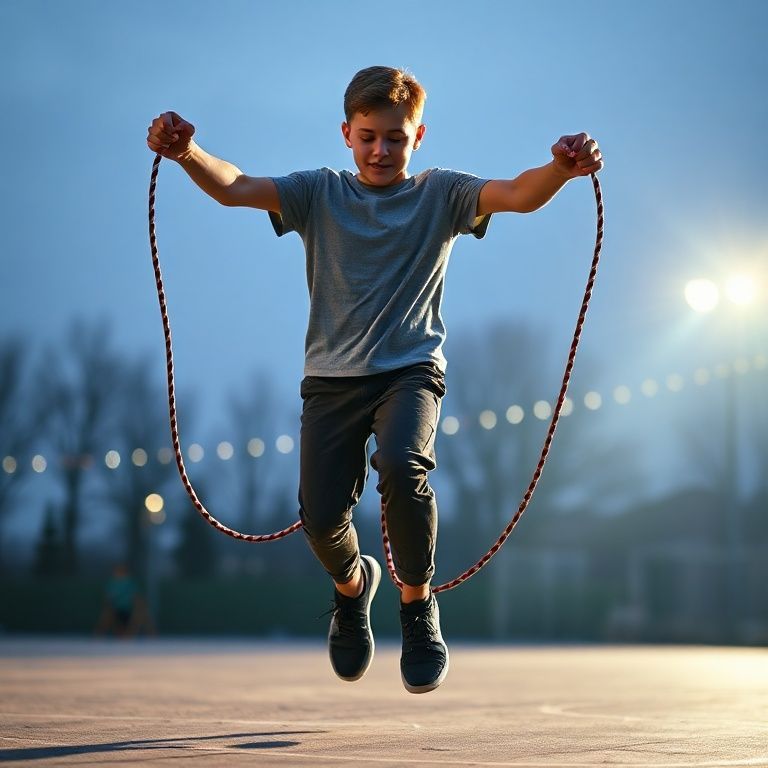
2. As the rope approaches your feet, jump up onto the balls of your feet, keeping your knees slightly bent.
3. Land softly on the balls of your feet, with your weight evenly distributed between both feet.
Alternating Feet (30 Seconds)
1. Continue swinging the rope and jumping up onto the balls of your feet.
2. As you land, quickly switch feet, alternating between each foot.
Cool Down
After completing a set of 3-4 minutes, take a break to cool down:
Static Stretching (2-3 Minutes)
1. Hold each stretch for 15-30 seconds and focus on relaxing your muscles.
2. Move through the following stretches:
Calf stretch: Stand facing a wall with one hand on the wall for balance. Step one foot back about a foot, keeping your heel on the ground. Bend your front knee, keeping your back leg straight. Lean forward until you feel a stretch in your calf. Switch legs.
Hamstring stretch: Sit on the floor with your legs straight out in front of you. Lean forward until you feel a stretch in the back of your legs.
Tips and Variations
Start slow and gradually increase your speed and duration as you become more comfortable with the routine.
Experiment with different rhythms, such as skipping or double unders, to add variety to your routine.
Incorporate strength training exercises into your routine to improve overall fitness and stability.
Conclusion
In conclusion, mastering the beginner jump rope routine requires patience, persistence, and practice. By following this simple yet effective sequence, you’ll be jumping like a pro in no time. Remember to start slow, focus on proper form, and most importantly, have fun! To take your jump rope skills to the next level, try incorporating variations such as different footwork patterns or adding speed and agility drills. Join a local jump rope community or find online resources to connect with fellow enthusiasts and stay motivated. Get ready to jump your way to fitness and confidence – start jumping today!
Here are five concise FAQ pairs for a beginner jump rope routine:
Q: What is the best way to start with a jump rope routine?
A: Begin by getting comfortable with basic movements such as swinging, skipping, and stopping.
Q: How fast should I swing my jump rope to get started?
A: Start with a slow pace (about 10-15 revolutions per minute) to build endurance and control.
Q: What is the best way to warm up before starting a routine?
A: Warm up with light cardio such as jogging in place or jumping jacks for 2-3 minutes to prepare your muscles.
Q: How long should I practice each day to see progress?
A: Aim for at least 10-15 minutes of practice per day, gradually increasing the duration and intensity as you become more comfortable.
Q: What are some common mistakes beginners make when jumping rope?
Here’s a short quiz for a beginner jump rope routine:
Question 1: What is the best way to start a jump rope routine?
A) Jumping high off the ground
B) Starting at a low height and gradually increasing it
C) Jumping side to side without any rhythm
Show answer
Answer: B
Question 2: How often should you rest during a jump rope routine?
A) After every few jumps
B) Every minute or two
C) When you feel tired, but not necessarily after every few minutes
Show answer
Answer: C
Question 3: What is the purpose of alternating feet in a jump rope routine?
A) To increase speed and endurance
B) To improve balance and coordination
C) To add variety to the rhythm
Show answer
Answer: B
Question 4: How should you hold the jump rope handle during a routine?
A) With both hands, one on each side
B) With one hand, depending on your preference
C) Not at all, letting it swing freely
Show answer
Answer: B





I love how you break down complex topics. 😊
This opened my eyes to a new way of thinking. Thanks for sharing!
Excellent post. I learned something new today.
Interesting perspective. I never thought about it this way. Looking forward to more content like this.
This helped me solve my problem! Thank you so much!