
Simple Balance Training At Home: 8 Hidden Traps that Drain Your Energy

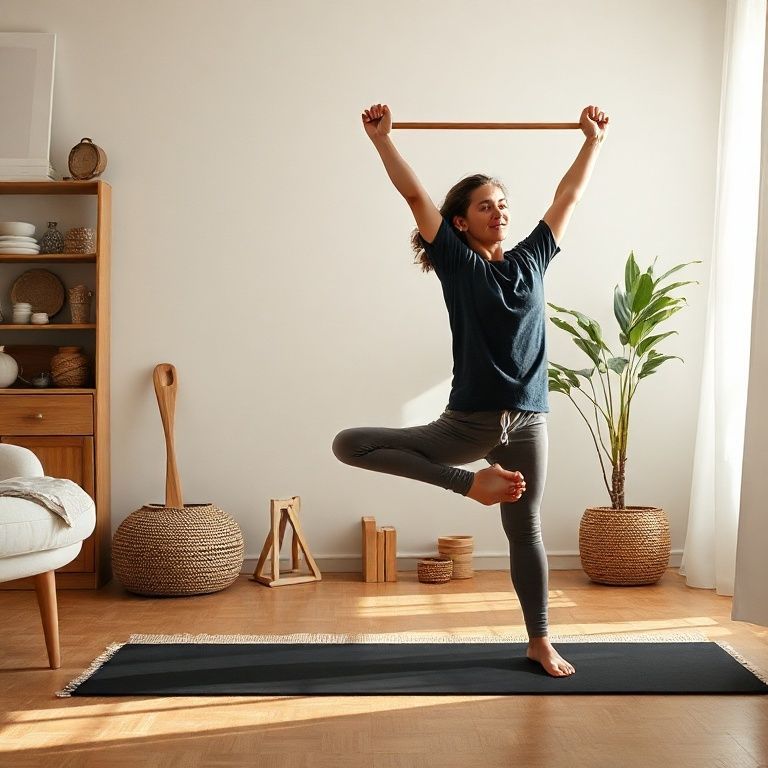
simple balance training at home
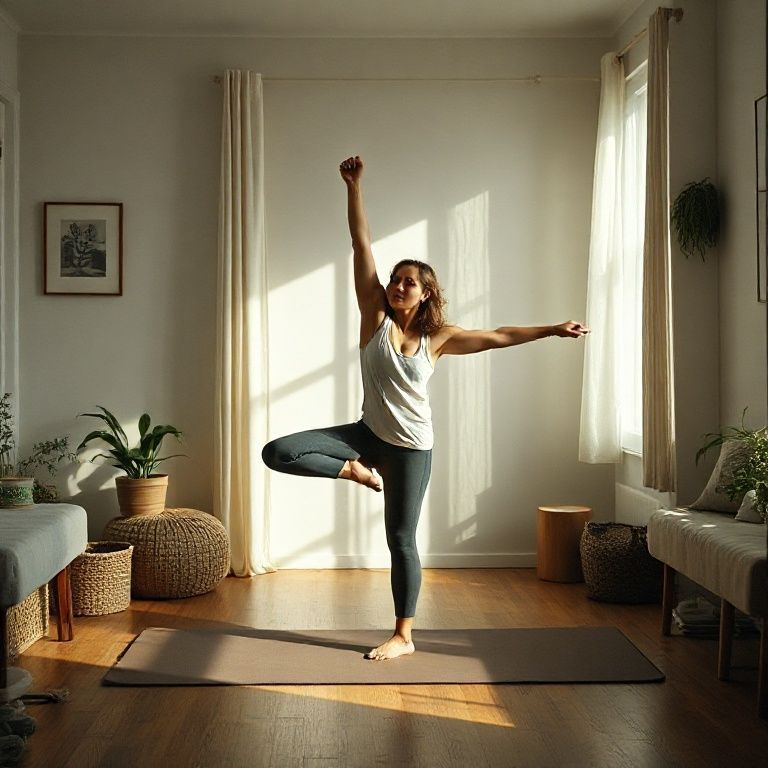
Introduction
As we age or experience physical limitations, maintaining our balance and stability becomes increasingly important for overall health and well-being. Simple balance training at home can be an effective way to improve your posture, reduce the risk of falls, and enhance your overall quality of life. With minimal equipment and space requirements, this type of exercise can be tailored to suit individuals of all ages and fitness levels.
Performing simple balance exercises at home allows you to take control of your physical health in a safe and convenient manner. By incorporating these exercises into your daily routine, you can strengthen your core muscles, improve your proprioception (your body’s ability to sense its position and movement), and boost your confidence in everyday activities. Whether you’re recovering from an injury, managing chronic pain, or simply looking for a fun way to stay active, simple balance training at home is an accessible and effective solution.
In this article, we’ll explore the benefits of simple balance training at home, provide a comprehensive guide on how to get started, and share some fun and easy exercises to help you improve your balance and stability. From chair squats to single-leg stands, we’ll cover it all, so you can start improving your balance and taking control of your health today.
Simple Balance Training at Home
Balance is a crucial aspect of overall fitness and well-being. Maintaining good balance can help prevent injuries, improve posture, and even reduce the risk of falls. Fortunately, you don’t need to visit a gym or hire a personal trainer to get started with balance training – simple balance training at home can be done with minimal equipment.
Preparing Your Space
Before you begin, make sure your home is safe and free from clutter. Clear any tripping hazards and ensure that the floor is clean and dry. This will help prevent accidents and allow you to focus on your balance training. Consider designating a specific area for balance training, such as a living room or bedroom.
Step 1: Single-Leg Stance
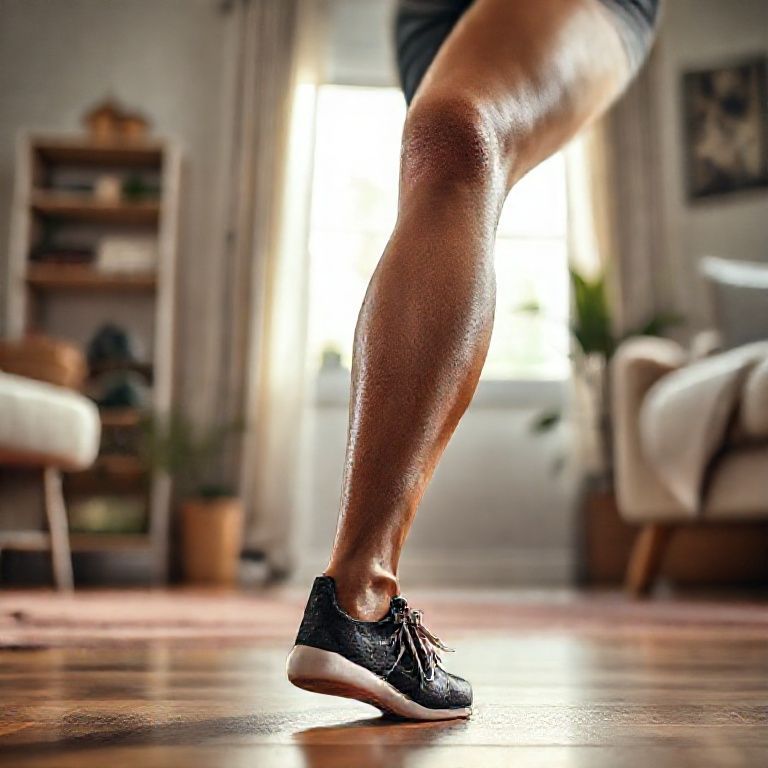
Stand on one leg, keeping the other foot lifted off the ground. Hold onto a chair or wall for support if needed. Start with short holds (10-15 seconds) and gradually increase the duration as you build confidence and stability. Focus on engaging your core muscles to maintain balance.
Step 2: Heel-to-Toe Walking
Walk along a straight line, placing the heel of one foot directly in front of the toes of the other foot. Take small steps, keeping your knees slightly bent to maintain balance. Start with short distances (2-3 feet) and gradually increase the length as you build strength and coordination. Try walking on different surfaces, such as carpet or hardwood, to improve your overall balance.
Advanced Balance Exercises
As you progress, try these advanced exercises:
Single-Leg Squat
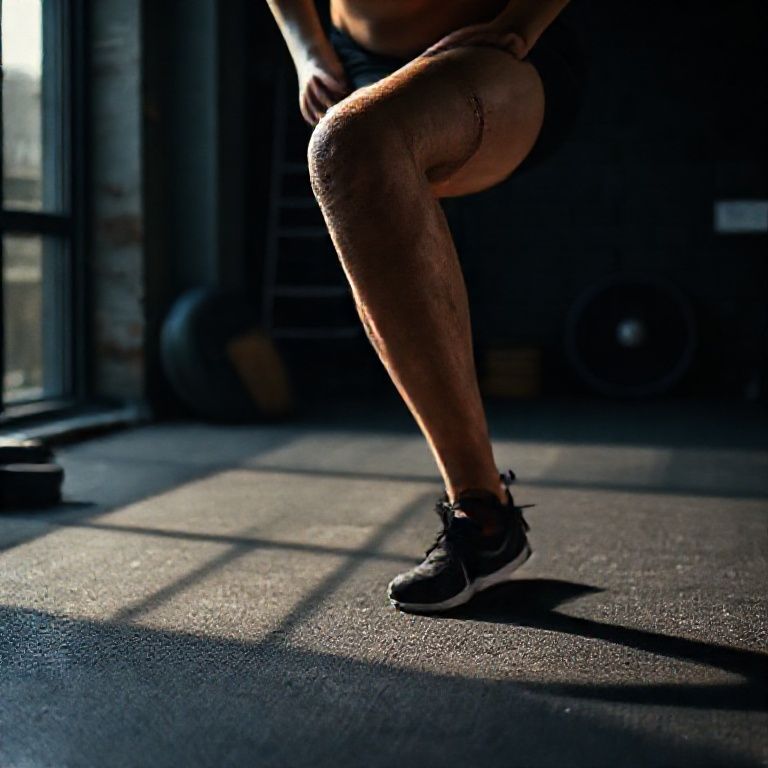
Stand on one leg and slowly lower yourself into a squat, keeping your back straight and knees behind your toes. Push back up to standing, maintaining balance throughout. Focus on engaging your core muscles and keeping your weight centered over your supporting leg.
Standing Leg Raises
Stand with your feet hip-width apart and raise one leg off the ground, keeping it straight. Hold for a count of 10, then lower it back down without touching the floor. Alternate legs with each repetition. Gradually increase the height and duration of the raises as you build strength and balance.
Single-Leg Balance on a Foam Pad
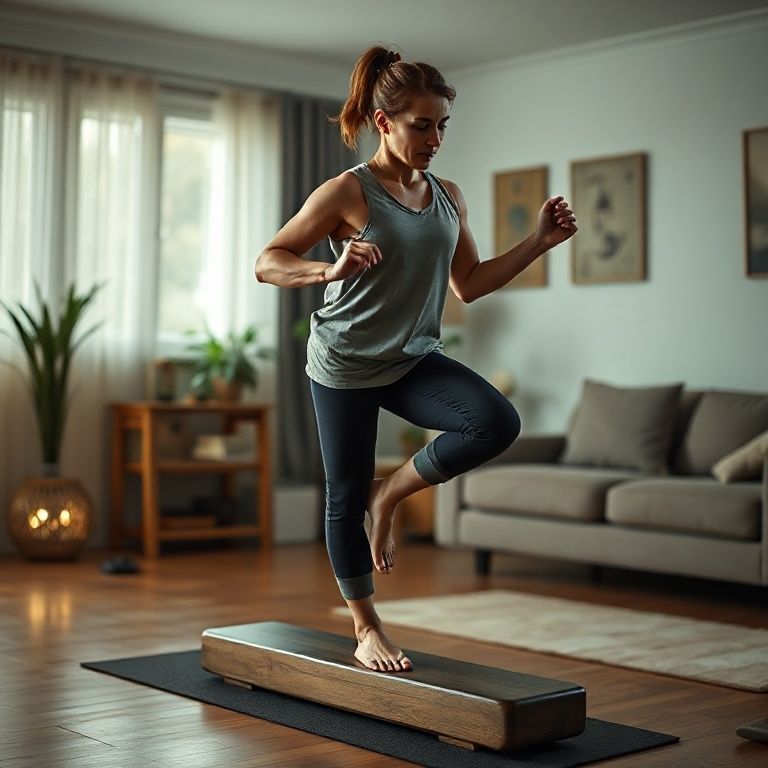
Stand on a foam pad or pillow with one leg, keeping the other foot lifted off the ground. Hold for 10-15 seconds, then switch legs. This exercise will help improve your balance on different surfaces and in various positions.
Getting Started: Tips and Safety Precautions
Start slowly and focus on proper form to avoid injuries.
Warm up before beginning any balance training, with light cardio and stretching exercises.
Use a mirror or record yourself performing the exercises to monitor your progress and identify areas for improvement.
Practice balance training regularly, ideally 2-3 times per week, to see consistent results.
Consider working with a personal trainer or fitness coach if you’re new to balance training or have concerns about your abilities.
By incorporating simple balance training at home into your daily routine, you can improve your overall fitness and reduce the risk of injury. Remember to start slowly, focus on proper form, and listen to your body – with patience and practice, you’ll be balancing like a pro in no time!

Conclusion
In conclusion, simple balance training at home can be an effective and accessible way to improve your overall stability and reduce the risk of injury. With just a few household items and some patience, you can start strengthening your ankles, knees, and core muscles to enhance your balance and overall well-being.
We encourage you to take the first step towards better balance today by incorporating simple exercises into your daily routine. Start with small challenges, such as standing on one foot or walking on a balance board, and gradually increase the difficulty level as you build confidence and strength. Remember to always listen to your body and seek professional guidance if needed.
Take control of your balance and take the first step towards a healthier, more stable you – start simple balance training at home today!
Here are five concise FAQ pairs for simple balance training at home:
Q: What is the best surface to use for balance training at home?
A: A soft, non-slippery surface such as a yoga mat or a large exercise ball is ideal for balance training.
Q: Do I need any equipment for balance training at home?
A: No, you can start with bodyweight exercises and progress to more challenging activities like using a balance board or a BOSU ball.
Q: How often should I practice balance training at home?
A: Aim to practice balance training 2-3 times per week, allowing your body time to recover and adapt.
Q: What are some simple exercises for beginners?
A: Start with single-leg standing, heel-to-toe walking, or using a chair for support while practicing balance poses like tree pose or eagle pose.
Q: Can I practice balance training at home if I have mobility issues?
Here’s a short quiz on simple balance training at home:
1. What is the primary muscle group used during single-leg standing exercises?
A) Quadriceps
B) Hamstrings
C) Gluteals
Show answer
Answer: C) Gluteals
2. Which of the following is NOT a recommended surface for balance training at home?
A) Soft carpet
B) Wooden floor
C) Ice rink
Show answer
Answer: C) Ice rink
3. What is the best way to start with balance exercises if you’re new to it?
A) Jumping on a trampoline or uneven surface
B) Standing on one foot with eyes closed
C) Starting with single-leg standing and gradually increasing difficulty
Show answer
Answer: C) Starting with single-leg standing and gradually increasing difficulty
4. What is the benefit of practicing balance exercises in the morning?
A) Improved flexibility
B) Reduced muscle soreness
C) Increased energy levels and reduced risk of injury
Show answer
Answer: C) Increased energy levels and reduced risk of injury



I enjoyed reading this. This is exactly what I was looking for. Very helpful!
Great article! Thanks for sharing your expertise on this topic.
Interesting perspective. Never considered this angle before. Mind-blowing!
Brilliant explanation! Everything makes sense now!
I love how you break down complex topics. 😊
Thanks for this post. You have a gift for explaining things clearly.