
How To Teach Sportsmanship To Kids: 7 Power Moves to Level Up Fast

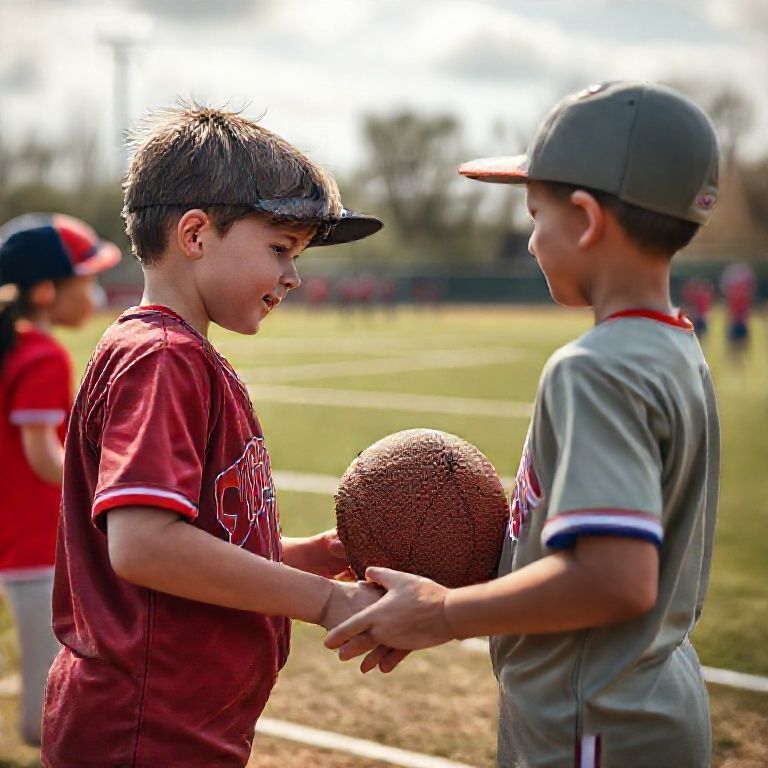
how to teach sportsmanship to kids
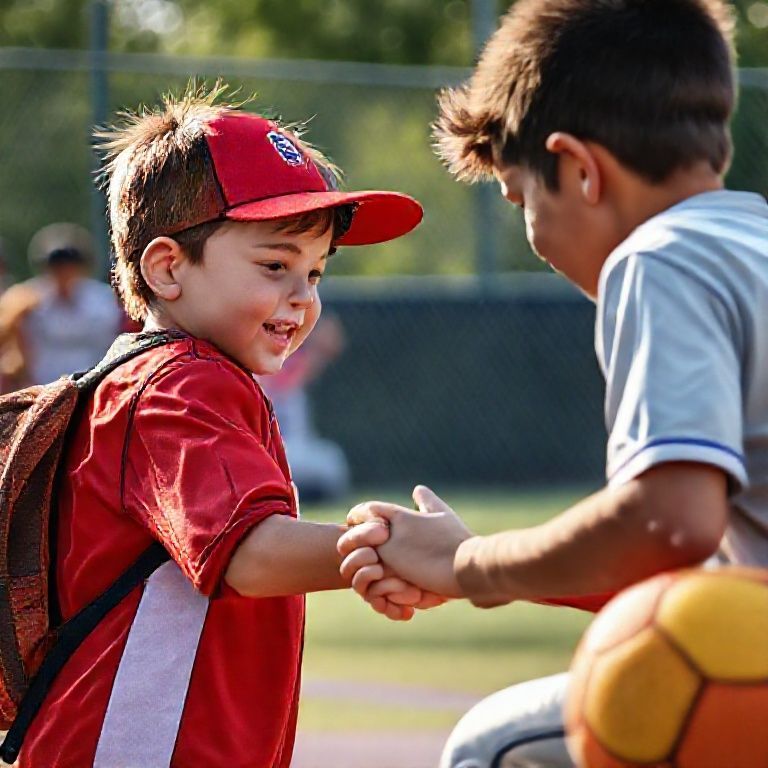
Introduction
As parents, coaches, and caregivers, we want our children to grow into confident, compassionate, and responsible individuals who not only excel in their chosen sports, but also possess a strong sense of character that extends beyond the playing field. Teaching kids good sportsmanship is an essential part of this development, as it helps them develop essential life skills such as respect, empathy, and self-discipline. When children learn to exhibit sportsmanship, they are not only more likely to win games and championships, but also to become better teammates, opponents, and community members.
But teaching kids good sportsmanship is a complex task that requires patience, consistency, and positive reinforcement. It’s not just about winning or losing, but about how we respond to success and failure, as well as our behavior towards others on the field, in the stands, and beyond. As a parent or caregiver, you play a vital role in shaping your child’s values and attitudes towards sports and competition.
In this article, we will explore practical strategies and tips for teaching kids good sportsmanship, from setting a positive example to encouraging teamwork and fair play. We’ll examine the importance of sportsmanship in different age groups and skill levels, and provide actionable advice on how to create a supportive and inclusive environment that fosters growth, respect, and fun for all participants. Whether you’re a seasoned coach or a new parent, this guide will help you equip your child with the skills and values they need to succeed not just in sports, but in life itself.
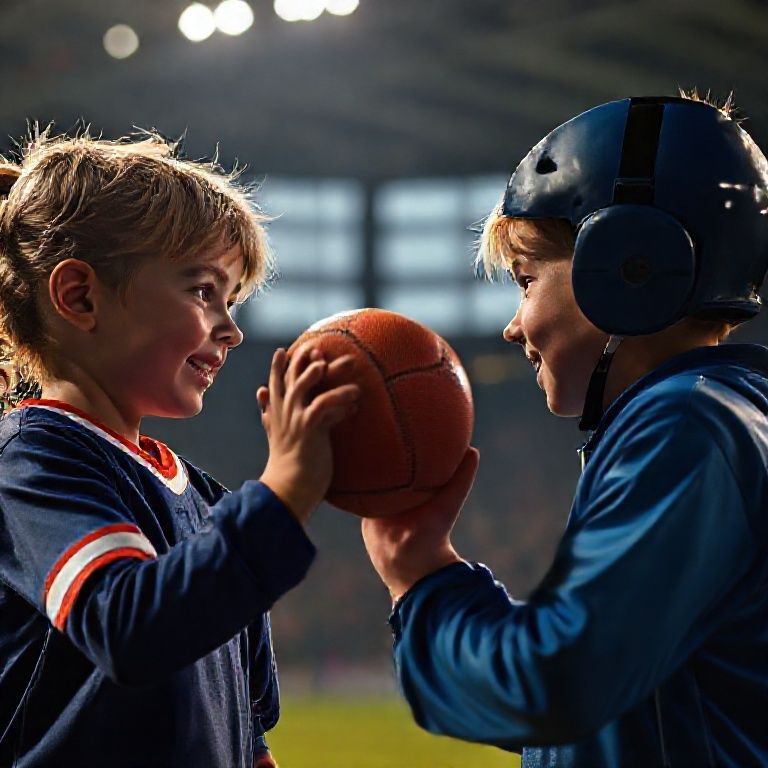
Teaching Sportsmanship to Kids: a Guide for Parents and Coaches
Understanding the Importance of Sportsmanship
Sportsmanship is an essential life skill that can benefit kids in many ways beyond their athletic careers. It teaches them valuable lessons about respect, discipline, and fair play, which are crucial for building strong relationships and achieving success in all areas of life.
Step 1: Model Good Sportsmanship Yourself
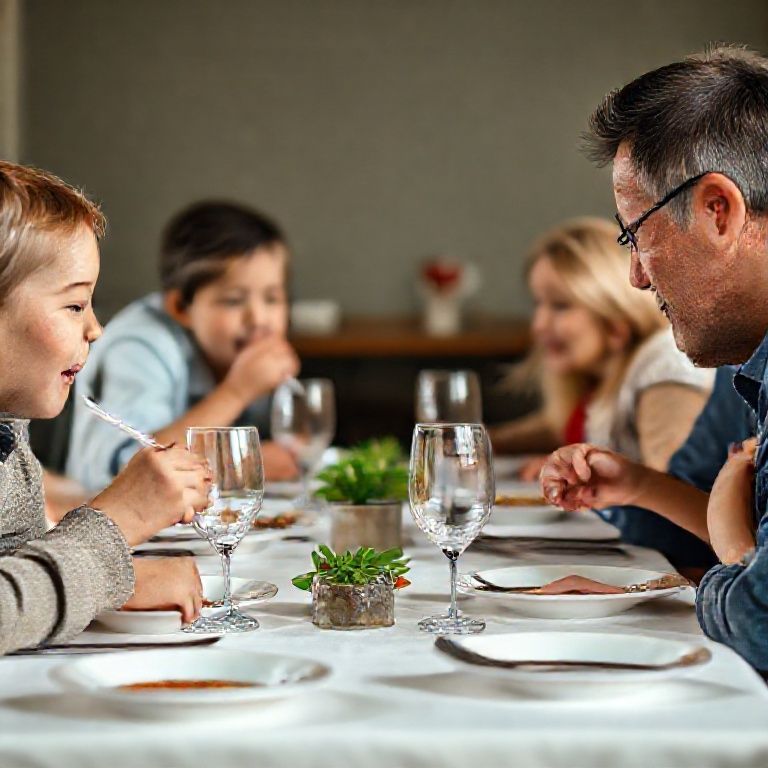
As a parent or coach, you are your child’s most significant role model. Kids learn by observing, so it’s essential to demonstrate good sportsmanship yourself. This means being respectful to others, losing graciously when you lose, and showing appreciation for the game and the people involved.
Encouraging Positive Attitude
A positive attitude is critical in teaching kids sportsmanship. Encourage them to focus on their own performance rather than comparing themselves to others. Help them develop a growth mindset, understanding that every experience, including losses, provides an opportunity to learn and improve.
Step 3: Teach Kids the Value of Fair Play
Fair play is essential for building trust and respect among teammates, opponents, and officials. Teach kids that winning isn’t everything and that losing with dignity is just as important as winning.
Practicing Fair Play in Games and Drills
In games and drills, emphasize fair play by:
Encouraging kids to shake hands or exchange words of respect with their opponents after the game.
Modeling good sportsmanship behavior yourself, such as congratulating your child’s opponent on a good game.
Focusing on skill development and teamwork rather than solely on winning.
Step 4: Teach Kids to Respect Others
Respect is a fundamental aspect of sportsmanship. Teach kids to respect their teammates, opponents, officials, and even those who may be less skilled or more experienced than them.
Practicing Respectful Communication
In games and practices, encourage respectful communication among team members. This includes:
Using “I” statements instead of “you” statements to express feelings or concerns.
Avoiding criticism or negative comments about teammates or opponents.
Showing appreciation for the efforts and hard work of others.
Step 5: Teach Kids to Take Responsibility
Taking responsibility for one’s actions is a crucial aspect of sportsmanship. Teach kids that they are accountable for their behavior on and off the field.
Practicing Accountability
In games, practices, and daily life, emphasize accountability by:
Encouraging kids to own up to mistakes or errors.
Helping them identify areas where they can improve and taking steps to address those areas.
Modeling accountability yourself, such as owning up to your own mistakes or shortcomings.
Step 6: Praise Effort, Not Just Results
Praising effort rather than just results helps kids develop a growth mindset and understand that sportsmanship is not just about winning but also about the journey.
Practicing Effort-Based Praise
In games, practices, and daily life, focus on praising effort rather than just results. This includes:
Praising kids for their hard work, dedication, and perseverance.
Encouraging them to try new things and take risks.
Emphasizing that mistakes are opportunities for growth and learning.
By following these steps and emphasizing the importance of sportsmanship, you can help kids develop essential life skills that will benefit them far beyond their athletic careers.


Conclusion
Teaching sportsmanship to kids is crucial for their development into well-rounded individuals who value fair play, respect for others, and a positive attitude towards competition. By instilling these values from an early age, parents, coaches, and caregivers can help shape the next generation of leaders and champions.
To get started, begin by modeling good sportsmanship yourself. Lead by example, and your child will be more likely to follow suit. Encourage open communication with your child, listen to their concerns, and provide constructive feedback that fosters growth and improvement.
Additionally, emphasize the importance of hard work, effort, and perseverance in achieving success. Teach your child to win graciously and lose with dignity, and to respect their opponents, teammates, and officials. By doing so, you’ll help your child develop a strong sense of self-discipline, resilience, and character that will benefit them throughout their lives.
So, take the first step today by having an open and honest conversation with your child about sportsmanship. Ask them what they think it means to be a good sport, and listen to their responses. Together, you can create a positive and supportive environment that encourages kids to develop the values of sportsmanship and become confident, capable, and compassionate individuals.
Here are five concise FAQs on how to teach sportsmanship to kids:
Q: How do I start teaching my child about sportsmanship?
A: Begin by modeling good sports behavior yourself, such as congratulating opponents on their wins and losing graciously. Then, explain the importance of respect, fair play, and winning with humility.
Q: What are some ways to encourage my child to be a good sport?
A: Encourage your child to cheer for their teammates, offer support to others, and praise their own efforts rather than just focusing on winning. You can also create a reward system that recognizes good sportsmanship.
Q: How do I handle conflicts or disagreements with other players?
A: Teach your child the importance of resolving disputes peacefully and respectfully. Encourage them to listen to others, apologize when necessary, and seek help from coaches or referees if needed.
Q: Can teaching sportsmanship affect my child’s self-esteem?
A: Yes, teaching sportsmanship can actually boost your child’s self-esteem by focusing on their character and effort rather than just their wins and losses. Emphasize that losing is a natural part of the game and that it’s okay to make mistakes.
Q: How do I know if my child truly understands the value of sportsmanship?
Here’s a short quiz on teaching sportsmanship to kids:
Question 1: What is an important aspect of sportsmanship that involves showing respect for others?
A) Winning at all costs
B) Being kind and courteous to teammates, opponents, and officials
C) Ignoring rules and regulations
Show answer
Answer: B
Question 2: When a child loses a game or match, what should they do to maintain good sportsmanship?
A) Pout and blame others for their loss
B) Shake hands with the opposing team and congratulate them on their win
C) Walk away from the field or court in disgust
Show answer
Answer: B
Question 3: What is an example of good sportsmanship behavior by a player who makes a mistake during a game?
A) Getting angry and shouting at teammates for not covering up the mistake
B) Taking responsibility for the mistake, apologizing to opponents, and making amends
C) Blaming referees or officials for the mistake
Show answer
Answer: B
Question 4: How can parents demonstrate sportsmanship behavior when coaching their child’s team?
A) Yelling at players who make mistakes or lose games
B) Providing positive feedback and encouragement to players
C) Comparing players’ abilities to one another in front of them
Show answer
Answer: B



Brilliant explanation. Everything makes sense now.
I love how you break down complex topics.