
Safe Stretching Routine Post Workout: 14 Overrated Myths that Slow You Down

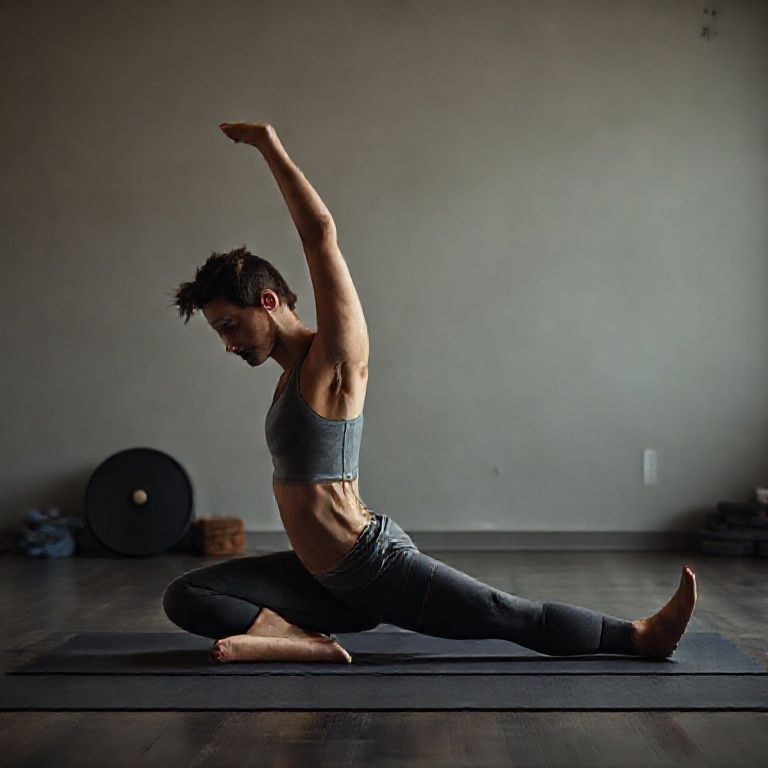
safe stretching routine post workout
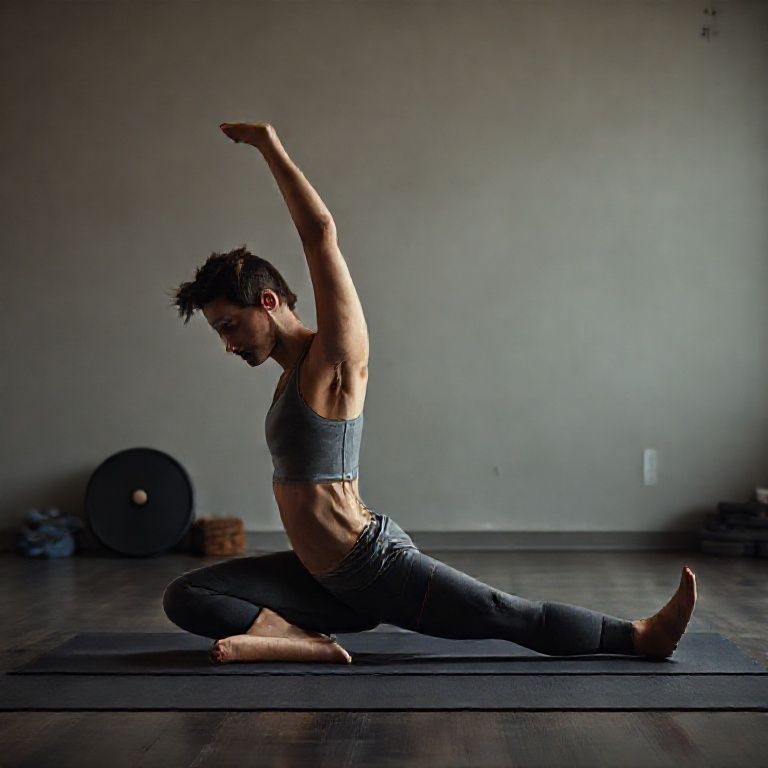
Introduction
After a grueling workout, it’s essential to cool down and stretch your muscles to prevent soreness and injury. A safe stretching routine post-workout can make all the difference in helping you recover faster and feel better. However, many of us approach stretching with a lack of knowledge or caution, which can lead to overstretching, muscle strain, or even exacerbate existing injuries.
When done correctly, stretching after a workout can be incredibly beneficial, improving flexibility, reducing muscle tension, and enhancing overall recovery. But what makes a safe stretching routine post-workout? It’s not just about throwing your arms up in the air and bending to touch your toes – it requires attention to detail, understanding of proper technique, and a gradual approach to avoid shocking your muscles.
In this article, we’ll delve into the world of safe stretching routines after exercise, exploring the best practices, exercises, and tips to help you create a recovery routine that works for you. Whether you’re a seasoned athlete or a fitness beginner, learning how to stretch safely and effectively can be a game-changer in your journey towards optimal health and wellness.
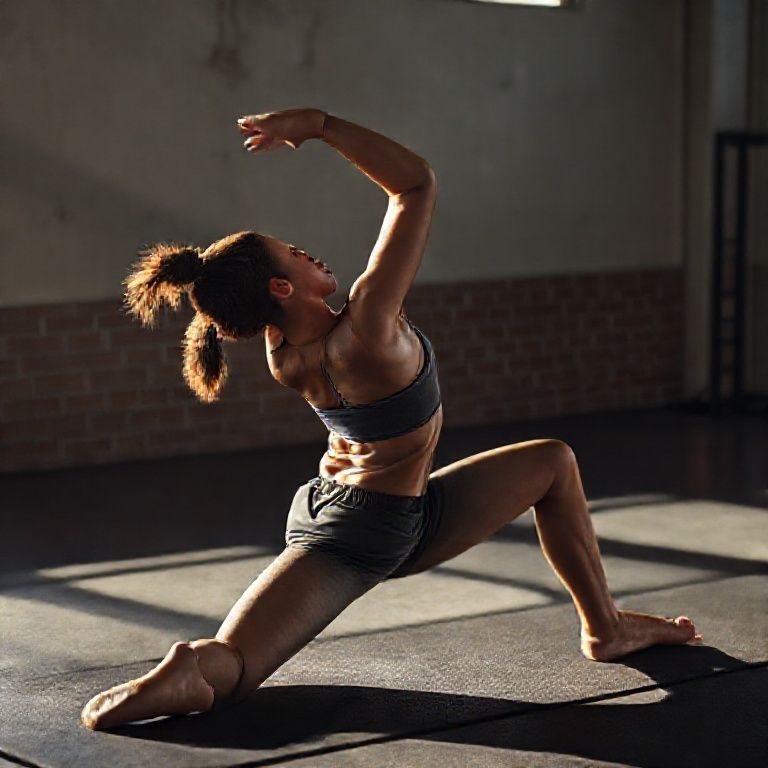
Safe Stretching Routine Post Workout: a Comprehensive Guide
Importance of Stretching After Exercise
Stretching after a workout is essential for improving flexibility, reducing muscle soreness, and enhancing overall recovery. However, it’s crucial to do it safely to avoid injury or exacerbating existing conditions.
Benefits of Stretching Post Workout
Reduces muscle soreness (delayed onset muscle soreness, DOMS) and improves recovery
Enhances flexibility and range of motion
Improves circulation and reduces inflammation
Can help prevent muscle imbalances and injuries
Preparing for Your Safe Stretching Routine
Before You Begin Your Stretching Routine, Ensure You Have:
Safety Considerations
Warm up with 5-10 minutes of light cardio or dynamic stretching before static stretching
Listen to your body and stop if you experience any pain or discomfort
Avoid bouncing or jerking movements during stretches
Focus on major muscle groups such as hamstrings, quadriceps, chest, back, shoulders, and calves
Step-by-Step Guide to a Safe Stretching Routine Post Workout
Phase 1: Lower Body Stretches (5-10 Minutes)
1. Hamstring Stretch : Stand with your feet shoulder-width apart, then bend forward at the hips to reach for your toes. Hold for 15-30 seconds.
2. Quad Stretch : Stand with one hand against a wall for balance, lift one leg behind you and grab your ankle with your hand. Pull your heel towards your buttocks until you feel a stretch in the front of your leg. Hold for 15-30 seconds and switch legs.
3. Calf Stretch : Stand facing a wall with one hand on the wall for balance, step one foot back about a foot and a half, keeping your heel on the ground. Bend your front knee and lean forward until you feel a stretch in your calf. Hold for 15-30 seconds and switch legs.
Phase 2: Upper Body Stretches (5-10 Minutes)
1. Chest Stretch : Stand in a doorway with your hands on the doorframe at shoulder height. Lean forward until you feel a stretch in your chest and shoulders. Hold for 15-30 seconds.
2. Shoulder Rolls : Roll your shoulders forward and backward in a circular motion to loosen tension.
Phase 3: Core and Back Stretches (5 Minutes)
1. Cat-Cow Stretch : Start on your hands and knees, arch your back and lift your tailbone towards the ceiling (like a cat). Then, round your back and tuck your chin towards your chest (like a cow). Repeat for 30 seconds.
2. Lat Stretch : Stand with your feet shoulder-width apart, interlace your fingers behind your back and lean back until you feel a stretch in your lat muscles.
Conclusion
A safe stretching routine post workout can help improve flexibility, reduce muscle soreness, and enhance overall recovery. By following these steps and considering the safety guidelines, you can incorporate stretching into your post-workout routine to achieve optimal results.
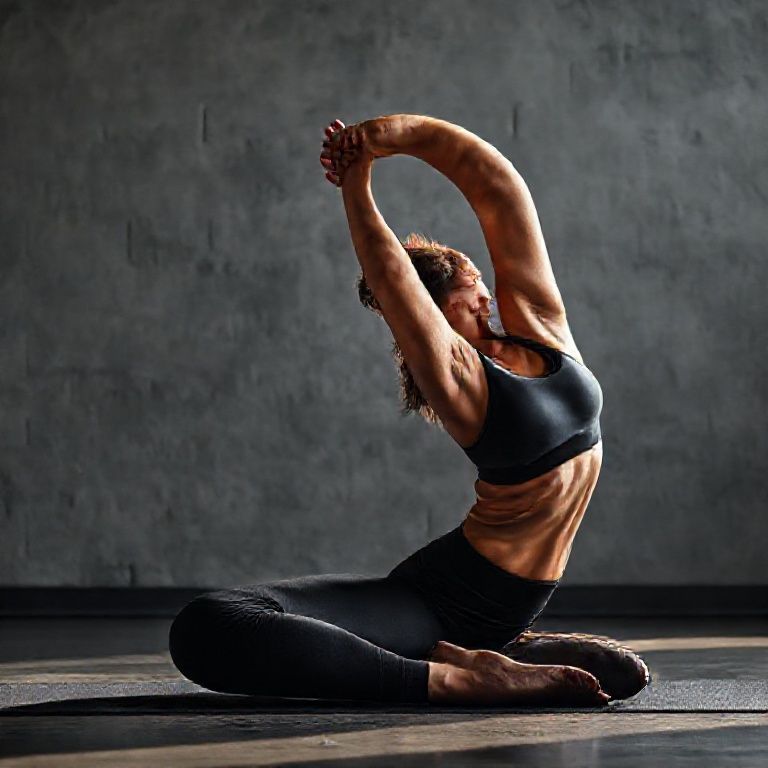

Conclusion
In conclusion, incorporating a safe stretching routine into your post-workout routine can have a significant impact on your overall flexibility, recovery, and injury prevention. By following a well-structured stretching plan, you can help reduce muscle soreness, improve range of motion, and enhance overall athletic performance. So, take the first step towards a healthier and more flexible you by incorporating a safe stretching routine into your post-workout routine today. Start with gentle stretches, listen to your body, and be patient – consistent practice will lead to noticeable improvements over time.
Here are five concise FAQ pairs for a safe stretching routine post-workout:
Q: When should I start my stretching routine after a workout?
A: It’s best to start your stretching routine within 10-15 minutes of finishing your workout, while your muscles are still warm.
Q: How long should each stretch be held for during the routine?
A: Hold each stretch for 20-30 seconds, taking deep breaths and focusing on relaxation.
Q: Should I bounce or force my way into a stretch?
A: No, bouncing or forcing can cause injury. Instead, focus on gentle, controlled movements and listen to your body’s signals of discomfort.
Q: Are static stretches suitable for everyone after a workout?
A: While static stretches are beneficial, they may not be ideal for everyone, especially those with certain injuries or mobility limitations. Consult with a healthcare professional before starting a new stretching routine.
Q: Can I stretch too much and cause muscle soreness?
Here’s a short quiz for a safe stretching routine post-workout:
1. What is the best time to start your stretching routine after a workout?
A) Immediately after finishing your workout
B) After 30 minutes of resting and cooling down
C) Before starting your workout
Show answer
Answer: B
2. Which muscle group should you focus on stretching first during your post-workout routine?
A) Hamstrings and quadriceps
B) Chest and back muscles
C) Shoulders and trapezius
Show answer
Answer: A
3. How long should you hold each stretch to maximize its effectiveness?
A) 10-15 seconds
B) 20-30 seconds
C) 1-2 minutes
Show answer
Answer: B
4. What is the best way to prevent injury while stretching after a workout?
A) Bouncing or jerking your muscles
B) Stretching beyond a comfortable range of motion
C) Holding your breath and tensing up
Show answer
Answer: C






This post is a goldmine of useful information.
I’ve been looking for information like this everywhere. 💯