
Lower Back Care For Athletes: 5 Genius Tips that Actually Work


lower back care for athletes

Introduction
As athletes push their bodies to new heights, often at the expense of their own well-being, lower back issues can become a debilitating reality. The intense physical demands of training and competition can take a toll on even the most resilient athletes, leading to chronic pain, stiffness, and limited mobility in the lower back region. In fact, studies have shown that up to 80% of athletes experience some form of lower back injury or discomfort at some point in their careers.
Despite its prevalence, lower back care for athletes often takes a backseat to other health concerns, such as injuries to the knees, shoulders, and elbows. However, neglecting lower back care can have serious consequences, including decreased performance, reduced mobility, and even long-term damage to the spine. This is why it’s essential for athletes to prioritize their lower back health, not just during training, but throughout their entire career.
In this article, we’ll delve into the world of lower back care for athletes, exploring the most effective strategies for prevention, diagnosis, and treatment. From the importance of proper warm-up and cool-down routines to the latest advances in physical therapy and injury rehabilitation, we’ll examine the best practices for keeping your lower back healthy and strong, even at the highest levels of competition.

Lower Back Care for Athletes: a Comprehensive Guide
Understanding the Risks of Lower Back Injury
Lower back injuries are a common occurrence in athletes, and can have serious consequences on their performance and overall well-being. The lower back is a complex region that contains multiple muscles, bones, and ligaments working together to support movement and function. However, this complexity also makes it prone to injury, particularly in sports that involve high-impact activities such as running, jumping, and throwing.
Causes of Lower Back Pain in Athletes
Lower Back Pain in Athletes Can Be Caused by a Variety of Factors, Including:
Overuse and Repetitive Strain
Athletes who participate in repetitive or overuse sports are at risk of developing lower back pain due to the repeated strain on their muscles and joints. (1) AnchorSportsmedicine
Poor Posture and Biomechanics
Poor posture and biomechanics can also contribute to lower back pain in athletes, as they can put unnecessary stress on the muscles and joints in the lower back. For example, athletes who have a tendency to arch their back or lean forward may be more likely to develop lower back pain.
Symptoms of Lower Back Pain
The symptoms of lower back pain can vary depending on the severity and location of the injury. Common symptoms include:
Numbness and Tingling
Numbness and tingling sensations in the legs, feet, or buttocks are common symptoms of lower back pain. (2) AnchorMayoclinic
Muscle Spasms
Muscle spasms in the lower back can be a symptom of lower back pain, particularly if the athlete has overused their muscles or strained their joints.
Treatment and Prevention
Fortunately, there are several treatment options available for lower back pain in athletes. These include:
Stretching and Strengthening Exercises
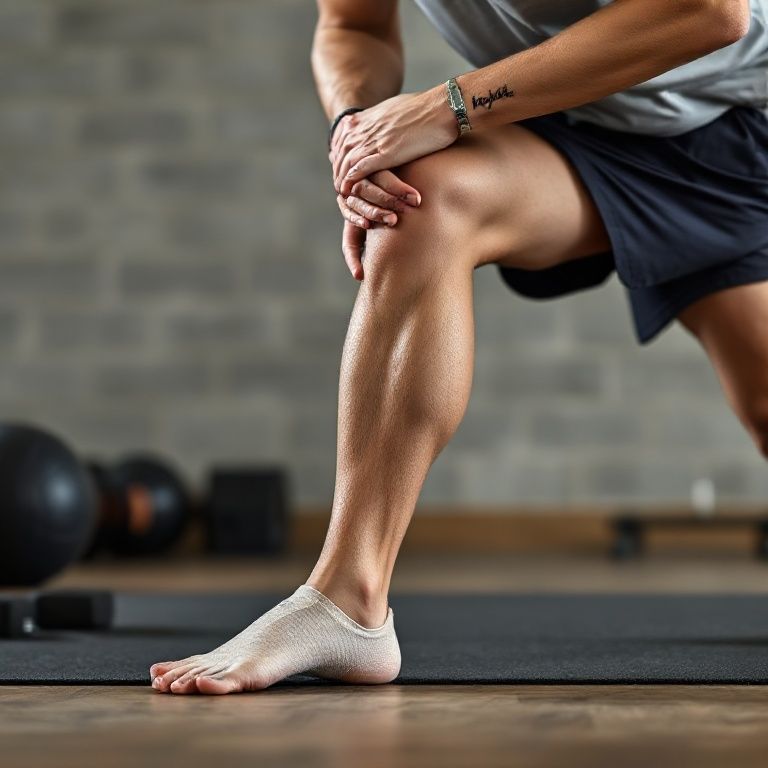
Stretching and strengthening exercises can help to alleviate symptoms of lower back pain by improving flexibility and strengthening the muscles in the lower back.
Proper Warm-Up and Cool-Down Routine
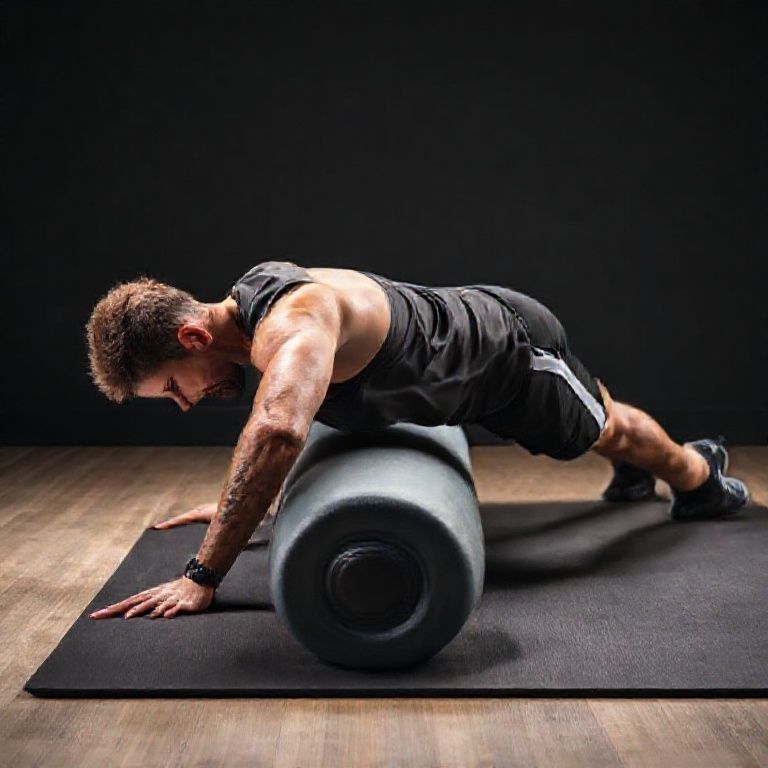
A proper warm-up and cool-down routine is essential for athletes to prevent lower back pain. This includes dynamic stretching, foam rolling, and other techniques to improve circulation and reduce muscle tension.
Step-by-Step Guide to Lower Back Care
1. Identify the Cause : Understand the cause of your lower back pain, whether it’s due to overuse, poor posture, or another factor.
2. Stretch Regularly : Stretching regularly can help to alleviate symptoms of lower back pain by improving flexibility and reducing muscle tension.
3. Strengthen Your Core : Strengthening your core muscles through exercises like planks, bridges, and pelvic tilts can help to improve stability and reduce the risk of injury.
4. Improve Your Posture : Poor posture can contribute to lower back pain, so make sure to sit and stand with good posture to reduce strain on your muscles and joints.
By following these steps and taking proactive care of your lower back, you can reduce your risk of injury and improve your overall performance as an athlete.


Conclusion
In conclusion, lower back care is crucial for athletes to maintain optimal performance and prevent injuries. By incorporating exercises such as planks, bridges, and pelvic tilts into their daily routine, athletes can strengthen their core muscles and improve their posture. Additionally, proper warm-up and cool-down routines, as well as regular stretching and foam rolling, can help reduce muscle tension and prevent strains. Athletes who prioritize lower back care are more likely to achieve success in their sport and maintain a long and healthy career. If you’re an athlete looking to take control of your lower back health, start by consulting with a healthcare professional or physical therapist to develop a personalized exercise program tailored to your needs.
Here are five concise FAQ pairs for “Lower Back Care for Athletes”:
Q: What is the most common cause of lower back pain in athletes?
A: The most common causes of lower back pain in athletes include overuse, poor posture, and inadequate warm-up or cool-down routines.
Q: How can I prevent lower back strain during exercise?
A: To prevent lower back strain, focus on proper technique, engage your core muscles, and maintain good posture throughout the exercise.
Q: What are some effective stretches to alleviate lower back pain in athletes?
A: Effective stretches for lower back pain include the pelvic tilt, knee to chest stretch, and cat-cow stretch. These stretches can help improve flexibility and reduce tension in the lower back muscles.
Q: Can I use heat or cold therapy to treat lower back pain in athletes?
A: Both heat and cold therapy can be effective in treating lower back pain, but it’s essential to alternate between the two to avoid numbing the pain. Heat therapy, such as a warm bath or shower, can help relax muscles, while cold therapy, such as an ice pack, can help reduce inflammation.
Q: When should I seek medical attention for lower back pain in athletes?
Here’s a short quiz for lower back care for athletes:
Question 1: What is the primary function of the lumbar spine in the human body?
A) To support the head
B) To facilitate spinal flexibility
C) To transfer forces from the legs to the upper body
Show answer
Answer: C
Question 2: Which of the following exercises can help strengthen the core muscles that support the lower back?
A) Bicep curls
B) Planks and side planks
C) Tricep dips
Show answer
Answer: B
Question 3: What is the recommended way to warm up before engaging in high-impact activities that involve running or jumping?
A) Static stretching of the lower back muscles
B) Dynamic stretching, such as leg swings and hip circles
C) High-intensity interval training
Show answer
Answer: B
Question 4: Which of the following activities can increase the risk of developing a lower back injury in athletes?
A) Weightlifting with proper form
B) Playing team sports that involve quick changes of direction
C) Participating in low-impact yoga classes
Show answer
Answer: B




I learned something new today. Thanks! Great post!
Excellent work as always! Looking forward to more content like this.