
Cricket Batting Stance Basics: 12 Red Flags to Ditch for Good


cricket batting stance basics
Introduction
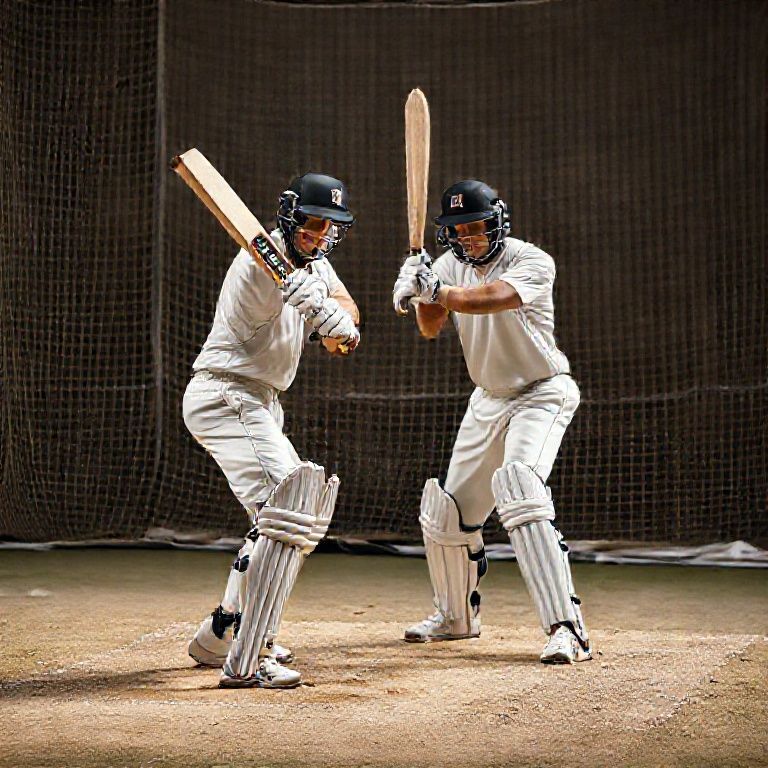
When it comes to mastering the art of cricket batting, having a solid foundation is crucial. One of the most essential aspects of this sport is the cricket batting stance, which serves as the starting point for any successful batsman. A well-crafted stance not only provides stability but also sets the tone for a player’s entire game, influencing their technique, footwork, and overall performance.
A good cricket batting stance is one that strikes a balance between comfort and control. It requires a deep understanding of the body’s positioning, weight distribution, and movement, allowing the batsman to generate power and agility while staying grounded on the pitch. Mastering the basics of this stance is essential for cricketers of all levels, from beginners looking to improve their technique to experienced players seeking to refine their skills.
In this article, we will delve into the fundamentals of cricket batting stance basics, exploring the key components that underpin a successful batting setup. We’ll examine the role of posture, footwork, bat position, and weight distribution in creating an effective stance, providing readers with a comprehensive understanding of how to build a strong foundation for their own batting game.
Mastering Cricket Batting Stance Basics
The cricket batting stance is a fundamental aspect of the game that requires balance, stability, and technique. A well-executed batting stance can help players generate power, control the tempo of the innings, and increase their chances of scoring runs.
Understanding the Fundamentals
The cricket batting stance is built on three primary components: feet position, body alignment, and bat placement. Here’s a step-by-step guide to mastering these basics:
Feet Position
The feet position is the foundation of the batting stance. Stand with your feet shoulder-width apart, with your weight evenly distributed between both feet.
For right-handed batsmen, place your left foot slightly in front of your right foot, about 6-8 inches ahead. This will help you maintain balance and generate power.
Keep your knees slightly bent, with your back straight and your core engaged. Avoid leaning forward or backward, as this can disrupt your balance and technique.
Body Alignment
Body alignment refers to the positioning of your body in relation to the pitch. Here’s how to achieve proper alignment:
Stand with your shoulders parallel to the wicket, with your left shoulder pointing slightly towards the bowler (for right-handed batsmen).
Keep your head level, with your eyes focused on the ball. This will help you track the ball and make adjustments as needed.
Maintain a relaxed upper body, with your arms and hands in a neutral position. Avoid tensing up or stiffening your muscles, as this can affect your timing and technique.
Bat Placement
Bat placement is critical for generating power and control. Here’s how to place your bat correctly:
Hold the bat with a firm but not overly tight grip, with your top hand positioned about 6-8 inches above the handle.
Place the bat in front of you, with the top edge parallel to the ground. The bat should be at a slight angle, with the face of the bat pointing slightly towards the bowler (for right-handed batsmen).
Keep the bat at a 90-degree angle to your body, with the base of the bat resting on the ground.
Putting It All Together
Now that you’ve mastered the individual components of the batting stance, it’s time to put them together. Here are some practical tips to help you execute a solid batting stance:
Practice Your Stance
Practice is key to developing muscle memory and improving your batting stance. Spend time practicing your stance in front of a mirror or with a coach.
Focus on maintaining balance, stability, and control. Gradually increase the intensity of your practice sessions as you become more comfortable with your stance.
Try practicing different types of shots, such as drives, cuts, and pulls, to develop your technique and build confidence.
Stay Relaxed and Focused
A relaxed and focused mind is essential for executing a solid batting stance. Here are some tips to help you stay in the zone:
Take Deep Breaths to Calm Your Nerves and Focus Your Mind.
Key Points
Focus on the ball and the pitch, tracking its trajectory and making adjustments as needed.
Concentrate on generating power, control, and technique, rather than worrying about scoring runs or getting out.
Common Mistakes to Avoid
Some Common Mistakes to Avoid When Executing a Batting Stance Include:
Key Points
Leaning forward or backward, which can disrupt your balance and technique.
Tensing up or stiffening your muscles, which can affect your timing and control.
Looking away from the ball or losing focus, which can lead to poor decision-making and decreased performance.
References
For more information on cricket batting techniques and training methods, check out these resources:
“The Ultimate Guide to Cricket Batting Techniques” by Sports Illustrated
“Cricket Batting Stance: a Step-by-Step Guide” by BBC Sport


Conclusion
In conclusion, mastering the cricket batting stance is essential for any aspiring cricketer. By understanding the fundamental principles of balance, footwork, and body positioning, individuals can improve their overall performance on the field. To take your cricket batting skills to the next level, we encourage you to practice regularly and seek guidance from experienced coaches or trainers. Join a local cricket club or league, and get out there to hone your technique in a game-like environment. With dedication and perseverance, you’ll be well on your way to becoming a skilled cricketer.
Here are five concise FAQ pairs for cricket batting stance basics:
Q: What is the ideal height of a cricket batter’s stance?
A: The batter should stand with their feet shoulder-width apart, with their dominant foot slightly in front of the other.
Q: How far apart should a batter’s legs be?
A: The legs should be about shoulder-width apart, with the back foot slightly wider than the front foot for balance and stability.
Q: What is the correct position of the knees while batting?
A: The knees should be bent at a 90-degree angle, with the weight evenly distributed between both legs.
Q: Should a batter’s back foot be touching the ground?
A: No, the back foot should be slightly off the ground, with only the heel or ball of the foot in contact with the ground for balance and stability.
Q: How high should a batter stand when looking at the bowler?
Here’s your short quiz:
1. What is the primary purpose of keeping the front foot forward in a cricket batting stance?
A) To generate power
B) To maintain balance
C) To anchor the body
Show answer
Answer: B) To maintain balance
2. Which part of the body should be positioned directly above the ball when it’s bowled?
A) Left shoulder
B) Right knee
C) Heel
Show answer
Answer: C) Heel
3. What is the purpose of keeping the back foot slightly elevated in a cricket batting stance?
A) To increase stability
B) To generate power
C) To reduce weight transfer
Show answer
Answer: A) To increase stability
4. Which part of the body should be relaxed and not tense when facing a bowler?
A) Shoulders
B) Knees
C) Lower back
Show answer
Answer: C) Lower back





Great article! thanks for sharing this valuable information.
Really enjoyed reading this. Keep up the great work! This was really helpful.
The way you explain things is so easy to follow. Keep up the good work!
This is exactly what I was looking for. Very helpful! Thanks for sharing!
This opened my eyes to a new way of thinking. 😊
Amazing insights! 😊