
Cycling Cadence Training For Beginners: 7 Power Moves to Level Up Fast

cycling cadence training for beginners
Introduction
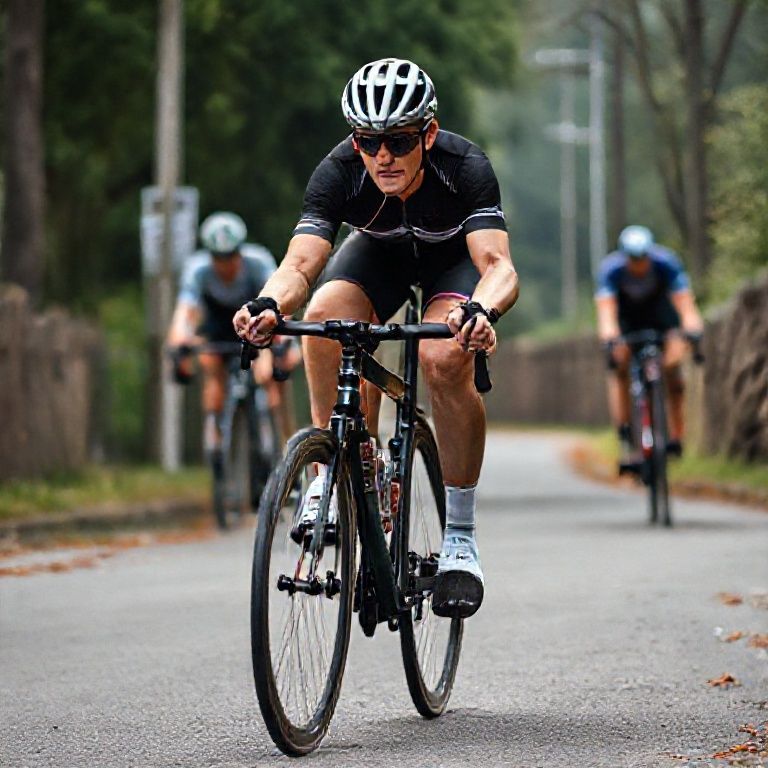
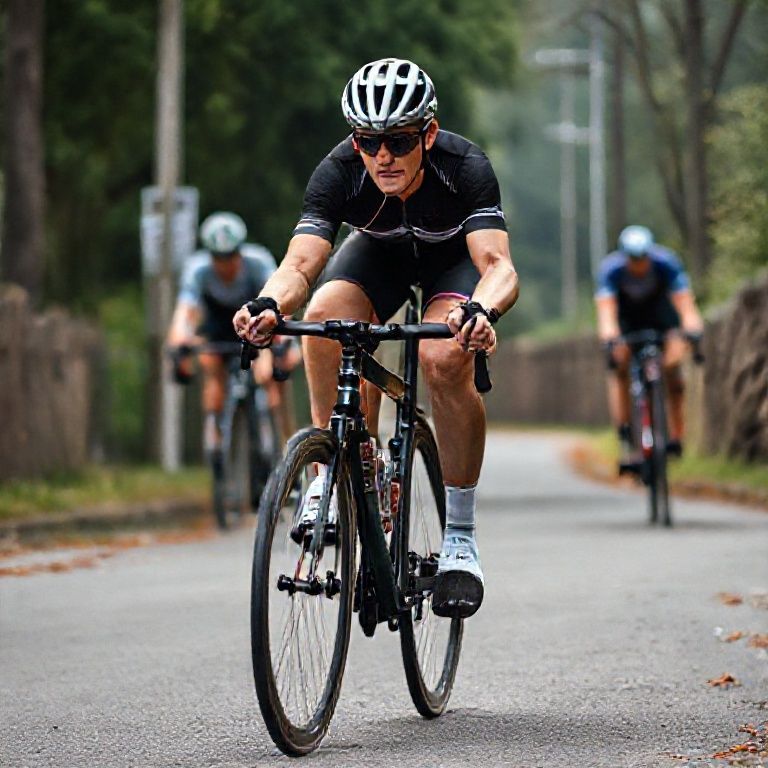
For many cyclists, the key to improving their performance lies not just in increasing their endurance or strength, but in refining their technique and efficiency on the bike. One often-overlooked aspect of cycling fitness is cadence training, which has been shown to improve power output, reduce injury risk, and enhance overall riding comfort. Cycling cadence training for beginners is a great way to kick-start this process, allowing new riders to develop healthy habits and set themselves up for long-term success.
As a beginner cyclist, it’s easy to get caught up in the excitement of hitting the roads or trails without giving much thought to your pedaling technique. However, by incorporating cadence training into your routine, you can start to see improvements in your efficiency and overall performance from the very beginning. This type of training is particularly useful for those who are new to cycling, as it helps to build a strong foundation and set realistic expectations for their progress.
In this article, we’ll explore the benefits of cycling cadence training for beginners, including how to get started with this type of exercise, common mistakes to avoid, and some simple drills to help you improve your pedaling technique. Whether you’re just starting out on your cycling journey or looking to take your riding to the next level, this guide will provide you with the knowledge and confidence you need to unlock your full potential on two wheels.

Understanding the Benefits of Cycling Cadence Training for Beginners
Cycling cadence training is a valuable tool for improving cycling performance, particularly for beginners. By increasing your pedaling speed and efficiency, you can enhance your overall fitness, reduce fatigue, and boost your confidence on the bike.
What Is Cycling Cadence?
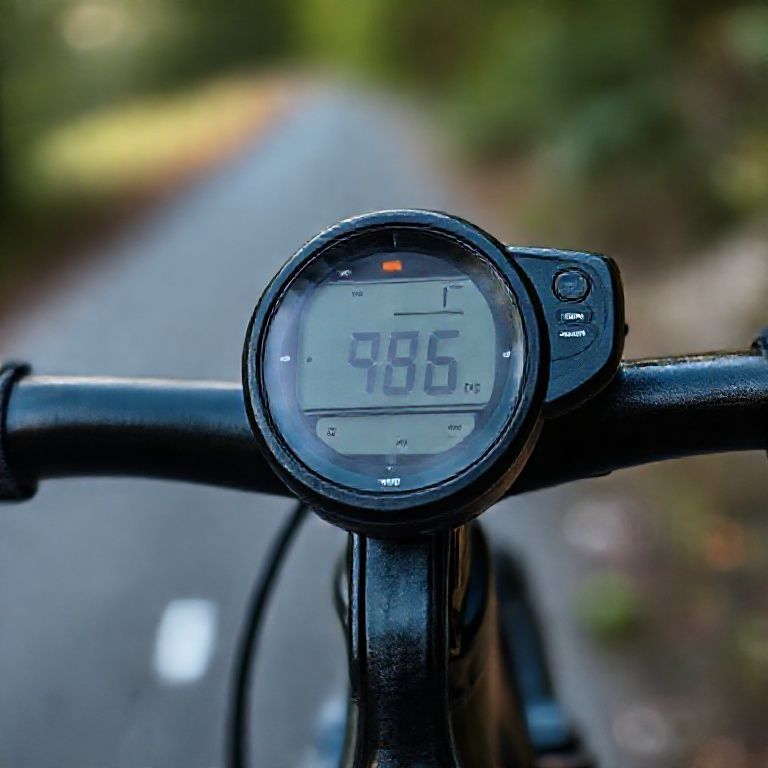
Cadence refers to the number of revolutions per minute (RPM) that your legs complete while pedaling. A higher cadence generally indicates greater efficiency and power output. For cyclists, a typical training cadence range is between 80-120 RPM, with most professional riders averaging around 100-110 RPM.
Getting Started with Cycling Cadence Training for Beginners
To begin cycling cadence training, you’ll need a few basic pieces of equipment:
A stationary bike or exercise bike
Heart rate monitor (optional)
Stopwatch or timer
Comfortable clothing and shoes
Here’s a step-by-step guide to get you started:
Step 1: Set Your Goals and Find Your Cadence Range
Before starting your training, determine what your goals are. Are you looking to increase your endurance, improve your power output, or simply feel more comfortable on the bike? Once you’ve set your goals, find your ideal cadence range by experimenting with different RPM settings.
Step 2: Warm Up and Get Comfortable
Before starting your training session, warm up with 5-10 minutes of light pedaling to get your blood flowing and your muscles ready. Adjust the resistance level to a comfortable setting, then start pedaling at a slow cadence (around 60-70 RPM) to get accustomed to the bike.
Step 3: Focus on Cadence Training
With your warm-up complete, focus on increasing your cadence. Start with short intervals (20-30 seconds) and gradually increase the duration as you build endurance. Aim for a minimum of 80 RPM during these intervals, but don’t be afraid to push yourself to higher speeds if that’s what feels comfortable.
Step 4: Cool Down and Stretch
After your training session, take the time to cool down with some gentle pedaling (around 60-70 RPM). This will help your body recover from the exercise. Finally, stretch your legs, hips, and back to prevent soreness and improve flexibility.
Tips and Variations for Cycling Cadence Training for Beginners
To make the most of your cadence training sessions, try these additional tips:
Increasing Your Cadence with Resistance
As you get more comfortable with higher cadences, try adding resistance to increase the challenge. Gradually increase the resistance level as you build endurance, but be careful not to overdo it.
Incorporating Interval Training
Interval training involves alternating between high-intensity intervals and rest periods. This can help improve your cardiovascular fitness and increase your anaerobic endurance. For example, try 30 seconds of high-cadence pedaling (100-110 RPM) followed by 30 seconds of low-cadence pedaling (60-70 RPM).
Monitoring Your Progress
Use a heart rate monitor to track your progress and stay motivated. Aim for a target heart rate zone that corresponds with your desired intensity level.
References:
Anchor: Cadence Training
Anchor: Benefits of High-Cadence Cycling


Conclusion
If you’re new to cycling and looking to improve your performance, consider incorporating cadence training into your routine. By increasing your cadence, you can boost your efficiency, reduce fatigue, and enhance your overall riding experience.
To get started with cadence training for beginners, begin by investing in a cadence sensor or smart bike computer that tracks your pedaling speed. Start with short sessions of 10-15 minutes, three times a week, and gradually increase the duration as you build up your endurance.
Remember to focus on proper technique, keep your knees slightly bent, and avoid mashing down hard on the pedals. With consistent practice and patience, you’ll be able to achieve a comfortable cadence of around 80-100 revolutions per minute (RPM).
Take the first step towards unlocking your cycling potential today by scheduling a session with a local bike shop or online coach who can help you develop a customized training plan tailored to your needs.
Here are five concise FAQ pairs for cycling cadence training for beginners:
Q: What is cadence in cycling, and why is it important?
A: Cadence refers to the number of pedal strokes per minute a cyclist takes. It’s essential for improving efficiency, reducing fatigue, and increasing speed.
Q: How do I determine my current cadence while riding?
A: To find your current cadence, count the number of pedal strokes you take in 10-15 seconds and multiply by 6 to get your RPM (revolutions per minute).
Q: What is the ideal cadence for a beginner cyclist?
A: For most cyclists, an ideal cadence range is between 80-100 RPM. This allows for efficient pedaling while minimizing fatigue.
Q: How do I increase my cadence during training?
A: To improve your cadence, try shorter pedal strokes, focus on quick turnover, and incorporate interval training with high-cadence intervals (e.g., 120 RPM) followed by low-cadence recovery periods.
Q: Can cadence training be done indoors or outdoors?
Here’s a short quiz on cycling cadence training for beginners:
Question 1: What is the recommended cadence range for a beginner cyclist?
A) 80-100 revolutions per minute (RPM)
B) 90-120 RPM
C) 110-130 RPM
Show answer
Answer: B) 90-120 RPM
Question 2: Why is it important to maintain a high cadence during cycling?
A) To increase power output
B) To conserve energy and reduce fatigue
C) To improve aerodynamics
Show answer
Answer: A) To increase power output
Question 3: What happens to your pedaling efficiency when you ride at a higher cadence?
A) You become less efficient and more fatigued
B) Your pedaling becomes smoother and more consistent
C) You lose control of the bike
Show answer
Answer: B) Your pedaling becomes smoother and more consistent
Question 4: How often should a beginner cyclist aim to increase their cadence during training sessions?
A) Daily, for every ride
B) Every other day, for short intervals
C) Once or twice per week, for longer periods of time
Show answer
Answer: C) Once or twice per week, for longer periods of time

Much appreciated! this was very enlightening.
Thank you for taking the time to write this. 💯
This post is a goldmine of useful information. Looking forward to more content like this.
Fantastic insights! Really appreciate your expertise. 😊
Your expertise really shows in this post. Great post!
This rocks! 🎸 Thanks for sharing!