
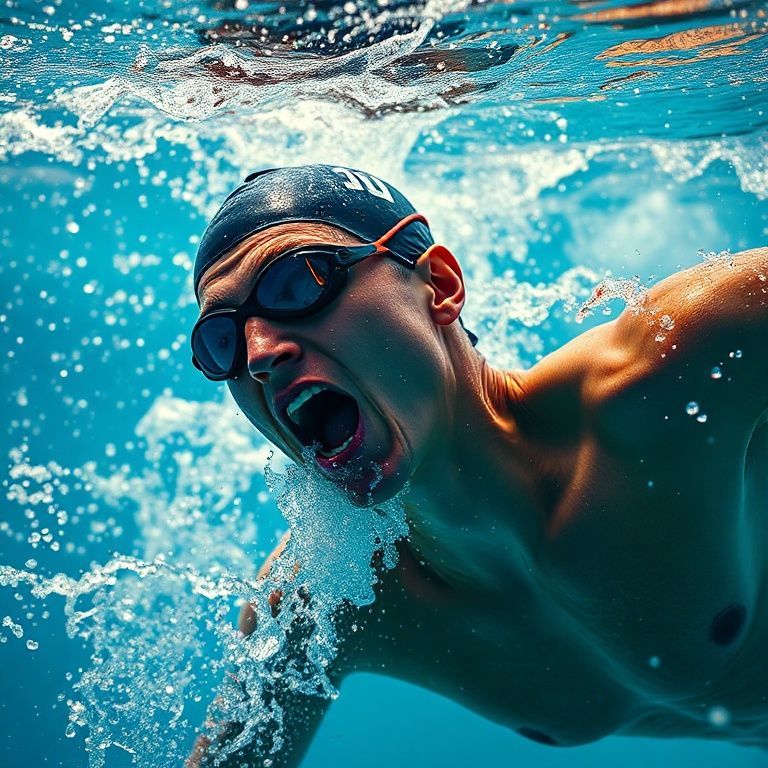
Swimming Breathing Technique Freestyle: 5 Genius Tips that Actually Work

swimming breathing technique freestyle

Introduction
When it comes to swimming, mastering the right techniques is essential for improving performance and reducing the risk of injury. One of the most fundamental and effective techniques used by swimmers is the freestyle, also known as front crawl. This technique involves using alternating arm movements to propel the body through the water, while simultaneously bringing the legs in sync to achieve maximum efficiency.
However, mastering the freestyle requires more than just physical strength and endurance – it also demands a precise understanding of breathing techniques. Breathing is an essential component of the freestyle, as it allows swimmers to catch air, relax their muscles, and maintain a streamlined position in the water. In this article, we will delve into the specifics of swimming breathing technique freestyle, exploring its key principles, benefits, and common mistakes that can hinder performance.
By understanding and implementing effective breathing techniques, swimmers can unlock their full potential and take their skills to the next level. Whether you’re a beginner looking to improve your overall swimming ability or an experienced swimmer seeking to refine your technique, this article will provide you with the knowledge and insights needed to master the art of swimming breathing technique freestyle.

Mastering the Swimming Breathing Technique Freestyle
The freestyle stroke is the most popular and fastest swimming stroke, accounting for more than half of all competitive swimming events. To swim efficiently and effectively in this stroke, it’s essential to master the breathing technique.
Understanding the Breathing Pattern
In the freestyle stroke, the breathing pattern is critical to maintaining a smooth and efficient swimming motion. The goal is to exhale underwater while keeping your head down and your body aligned with the water surface.
Step 1: Practice Exhaling Underwater
To develop this skill, practice exhaling slowly and steadily while holding your breath for longer periods. Start by sitting in shallow water or holding your breath while standing at the side of a pool. Gradually increase the duration as you build up your lung capacity.
Step 2: Focus on Your Body Position
Maintaining a streamlined body position is crucial for efficient breathing in the freestyle stroke. Keep your head down, shoulders relaxed, and arms in sync with your legs to minimize drag. Practice swimming with different body positions to find what works best for you.
Breathing Techniques
There are two primary breathing techniques used in the freestyle stroke:
1. Streamlined Breathing
This technique involves exhaling underwater while keeping your mouth and nose submerged. To achieve this, focus on exhaling slowly through your nose or mouth, depending on your comfort level. Practice exhaling underwater while swimming short distances to build up your endurance.
2. Flip Turn Breathing
In flip turns, you’ll need to breathe at the surface of the water. Practice taking quick breaths while turning your head towards the surface, keeping your body aligned with the water. Focus on exhaling slowly before entering the turn and inhaling quickly as you exit the turn.
Training Exercises
To improve your breathing technique in the freestyle stroke, try these exercises:
1. Pool Sprints
Swim short sprints (10-20 meters) while focusing on maintaining a streamlined position and exhaling underwater. Repeat for 3-5 sets, resting between each sprint. Gradually increase the distance as you build up your endurance.
2. Breathing Drills
Practice breathing drills in shallow water or with your head above the surface. Focus on slow, controlled exhalations and inhales while turning your head towards the surface. Use a kickboard to support yourself while practicing these drills.
Additional Tips for Improving Your Breathing Technique
Practice breathing exercises regularly to build up your lung capacity and endurance.
Focus on exhaling slowly and steadily underwater to minimize splash and drag.
Keep your body relaxed and streamlined to reduce resistance in the water.
Use visualization techniques to imagine yourself swimming efficiently and effectively.
Overcoming Common Challenges
Common challenges when mastering the freestyle breathing technique include:
Fear of holding your breath
Difficulty exhaling underwater
Inconsistent breathing patterns
Feeling anxious or stressed while swimming
To overcome these challenges, focus on building up your lung capacity through regular breathing exercises. Practice exhaling slowly and steadily underwater to minimize splash and drag. Use visualization techniques to imagine yourself swimming efficiently and effectively.
Resources for Further Learning
For further guidance on mastering the swimming breathing technique freestyle, consult these resources:
SwimmingWorld.com: Provides an in-depth guide to freestyle stroke techniques, including breathing exercises and drills.
American Red Cross: Offers training programs and resources for learning various swimming strokes, including the freestyle.
SwimSmooth.com: Features articles and videos on improving your freestyle technique, including breathing exercises and drills.


Conclusion
In mastering the swimming breathing technique freestyle, individuals can unlock enhanced performance and confidence in their aquatic pursuits. By refining this fundamental skill, swimmers can improve lung capacity, reduce drag, and increase overall efficiency. To take your freestyle to the next level, consider investing time in practice sessions with a qualified coach or experienced swimmer, focusing on proper body positioning, timing, and breath control.
Here are five concise FAQ pairs for the swimming breathing technique freestyle:
Q: What is the correct body position while breathing in freestyle?
A: The head should be turned to one side, with the ear, shoulder, and hips aligned in a straight line.
Q: How do I exhale during a turn in freestyle?
A: Exhale slowly and smoothly as you rotate your body towards the wall, allowing the air to escape from the lungs without disrupting the stroke.
Q: What is the optimal timing for breathing in freestyle?
A: Breathe every 2-3 strokes, or at the midpoint of each lap, to maintain a consistent rhythm and conserve energy.
Q: How do I avoid splashing water when turning in freestyle?
A: Keep your body as streamlined as possible during turns by keeping your hips and legs close to the surface and using your hands to control the movement.
Q: Can I breathe on both sides while swimming freestyle?
Here’s your short quiz:
Question 1: What is the primary purpose of keeping your head in a horizontal position while swimming freestyle?
A) To see underwater
B) To breathe more efficiently
C) To maintain stability in the water
Show answer
Answer: B) To breathe more efficiently
Question 2: Which part of the body should be relaxed when entering the water for a freestyle start?
A) Shoulders
B) Chest and shoulders
C) Knees and ankles
Show answer
Answer: C) Knees and ankles
Question 3: What is the correct technique for exhaling while swimming freestyle?
A) Exhale through your nose
B) Hold your breath until you need to breathe
C) Exhale through your mouth, with your tongue pressed against the roof of your mouth
Show answer
Answer: C) Exhale through your mouth, with your tongue pressed against the roof of your mouth
Question 4: How often should you turn your head to breathe while swimming freestyle?
A) Every stroke
B) After every two strokes
C) Only when necessary
Show answer
Answer: B) After every two strokes


Thanks for sharing your expertise on this topic!
Interesting perspective. This is pure gold!
Interesting perspective. You’ve outdone yourself with this one!
You’ve outdone yourself with this one! 💯
Much appreciated! This was very enlightening. 👍