
Basketball Ball Handling Drills At Home: 8 Costly Errors that Waste Your Time

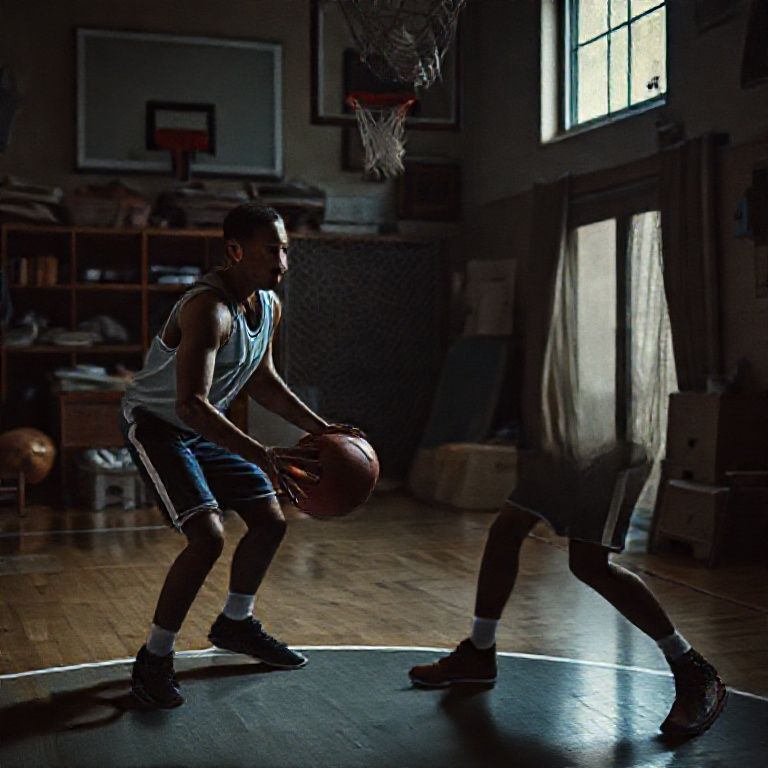
basketball ball handling drills at home
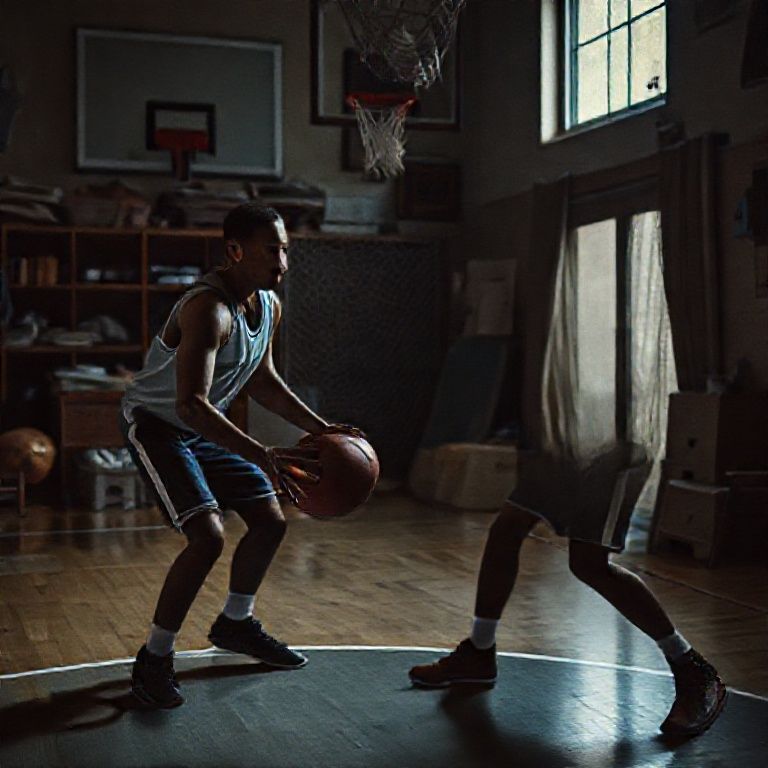
Introduction
As you step onto your home court, surrounded by the familiar sights and sounds of your own backyard or living room, you’re not just playing for yourself – you’re taking a significant step towards improving your basketball skills. One crucial aspect of becoming a well-rounded player is mastering the art of ball handling, and it’s easier than you think to practice this essential skill from the comfort of your own home.
With the right drills and training, you can take your ball handling game to the next level without needing access to a professional gym or basketball court. By incorporating basketball ball handling drills at home into your daily routine, you’ll be able to develop the hand-eye coordination, dexterity, and overall control needed to dominate on the court.
From simple exercises like dribbling through cones or around furniture to more advanced moves like figure-eights and crossovers, there are countless ways to challenge yourself and improve your ball handling skills at home. In this article, we’ll explore some of the most effective basketball ball handling drills at home, providing you with a comprehensive guide to help you take your game to new heights.
Improving Your Ball Handling Skills at Home
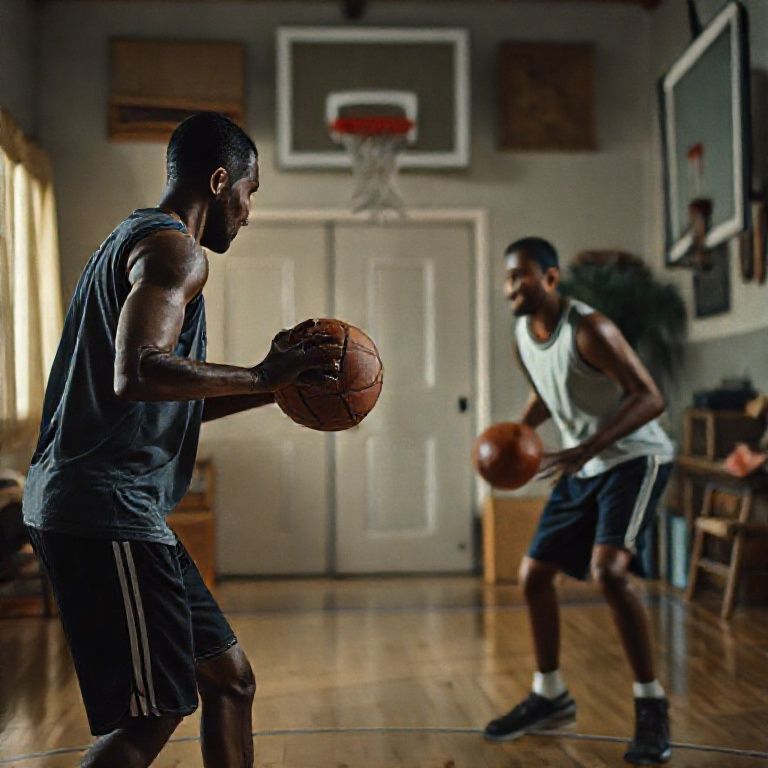
As a basketball player, mastering the art of ball handling is crucial for success on the court. While many players focus on training with professional coaches or in team settings, you can also improve your skills from the comfort of your own home with some simple and effective drills.
Warm-Up and Preparation
Before starting any ball handling drill, it’s essential to warm up your hands and arms. Spend 5-10 minutes doing some light cardio, such as jogging in place or jumping jacks, to get your blood flowing. Then, take a few minutes to stretch your hands, wrists, and forearms.
Basic Ball Handling Drills
Stationary Crossover Drill
This drill helps you develop the necessary hand-eye coordination and footwork for crossovers.
1. Stand with your feet shoulder-width apart, holding the basketball with both hands.
2. Begin by dribbling the ball in one direction (e.g., from left to right).
3. As you approach a stationary point on the ground, quickly switch the ball to the other hand, keeping your eyes on the ball.
4. Repeat this motion several times, focusing on smooth transitions and quick changes of direction.
Figure-Eight Drill
This drill helps improve your ability to maintain control while moving at high speeds.
1. Start by standing with your feet together, holding the basketball in one hand.
2. Begin dribbling the ball in a figure-eight pattern around your legs, keeping your eyes on the ball.
3. As you complete each lap, switch hands and repeat the process.
4. Gradually increase your speed and difficulty by adding more laps or changing directions.
Between-the-Legs Drill
This drill helps develop the necessary hand-eye coordination for crossovers and figure-eights.
1. Stand with your feet shoulder-width apart, holding the basketball in one hand.
2. Begin dribbling the ball between your legs, keeping your eyes on the ball.
3. As you complete this motion, quickly switch the ball to the other hand.
4. Repeat this process several times, focusing on smooth transitions and quick changes of direction.
Advanced Ball Handling Drills
Behind-the-Back Drill
This drill helps improve your ability to maintain control while moving at high speeds.
1. Stand with your feet shoulder-width apart, holding the basketball in one hand.
2. Begin dribbling the ball behind your back, keeping your eyes on the ball.
3. As you complete this motion, quickly switch the ball to the other hand.
4. Repeat this process several times, focusing on smooth transitions and quick changes of direction.
Between-the-Feet Drill
This drill helps develop the necessary hand-eye coordination for crossovers and figure-eights.
1. Stand with your feet together, holding the basketball in one hand.
2. Begin dribbling the ball between your feet, keeping your eyes on the ball.
3. As you complete this motion, quickly switch the ball to the other hand.
4. Repeat this process several times, focusing on smooth transitions and quick changes of direction.
Additional Tips and Resources
To further improve your ball handling skills, it’s essential to practice regularly and incorporate variety into your drills. Here are a few additional tips:
Practice with both hands equally to develop overall skill and balance.
Incorporate different speeds and directions to challenge yourself and improve your reaction time.
Focus on maintaining control throughout each drill, even when you’re tired.
For more advanced training methods and techniques, consider checking out the following resources:
Anchor – “10 Essential Ball Handling Drills for Improving Your Game”
Anchor – “The Science of Ball Handling: How to Improve Your Dribbling Skills”

Conclusion
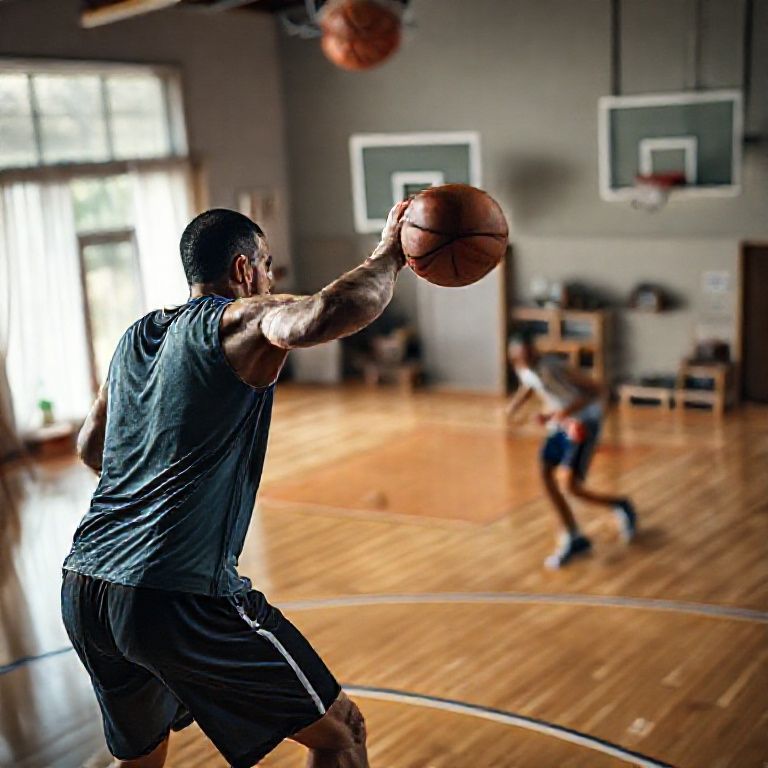
In conclusion, mastering the art of basketball ball handling is crucial for improving your overall game and becoming a more confident player. With a few simple drills done at home, you can take your skills to the next level without needing to spend hours in a gym or training facility. So why not get started today? Grab a basketball and find some space to practice – with consistent effort and dedication, you’ll be dribbling like a pro in no time.
Here are five concise FAQ pairs for “basketball ball handling drills at home”:
Q: What type of surface is best for practicing basketball ball handling drills at home?
A: A smooth, flat floor or a hardwood floor is ideal for ball handling drills, as it allows for better control and traction.
Q: Do I need special equipment to practice ball handling at home?
A: No, you can start with just a basketball and some space to move around. You may want to invest in a rebounder or a mini trampoline later on to add variety to your drills.
Q: How long should I practice ball handling drills each day?
A: Start with short sessions (10-15 minutes) and gradually increase the duration as you build up your endurance and skills.
Q: Can I practice ball handling drills alone, or do I need a partner?
A: Both. Practicing solo allows you to focus on individual techniques, while practicing with a partner helps improve reaction time, spatial awareness, and teamwork skills.
Q: Are there any safety precautions I should take when practicing ball handling drills at home?
Here’s a short quiz for basketball ball handling drills at home:
Question 1: What is the primary focus of ball handling drills?
A) Shooting practice
B) Defensive stance and footwork
C) Developing control and dexterity with the ball
Show answer
Answer: C
Question 2: Which type of drill helps improve your ability to change direction quickly on the court?
A) Figure-eight drill
B) Stationary dribble drill
C) Cone weave drill
Show answer
Answer: C
Question 3: What is the benefit of doing stationary dribbling drills at home?
A) Improved speed and agility
B) Enhanced shooting form
C) Increased endurance and control
Show answer
Answer: C
Question 4: Which type of surface is ideal for practicing ball handling drills at home?
A) Hardwood floor
B) Carpeted room
C) Smooth, low-pile basketball court
Show answer
Answer: A
Interesting perspective. Amazing insights!
Thanks for this post. Brilliant explanation! Everything makes sense now.
Really enjoyed reading this. Keep up the great work! Keep up the good work!
I love how you break down complex topics.
This is incredibly well-researched and informative. 👍