
How To Read Sports Nutrition Labels: 14 Overrated Myths that Slow You Down

how to read sports nutrition labels
Introduction
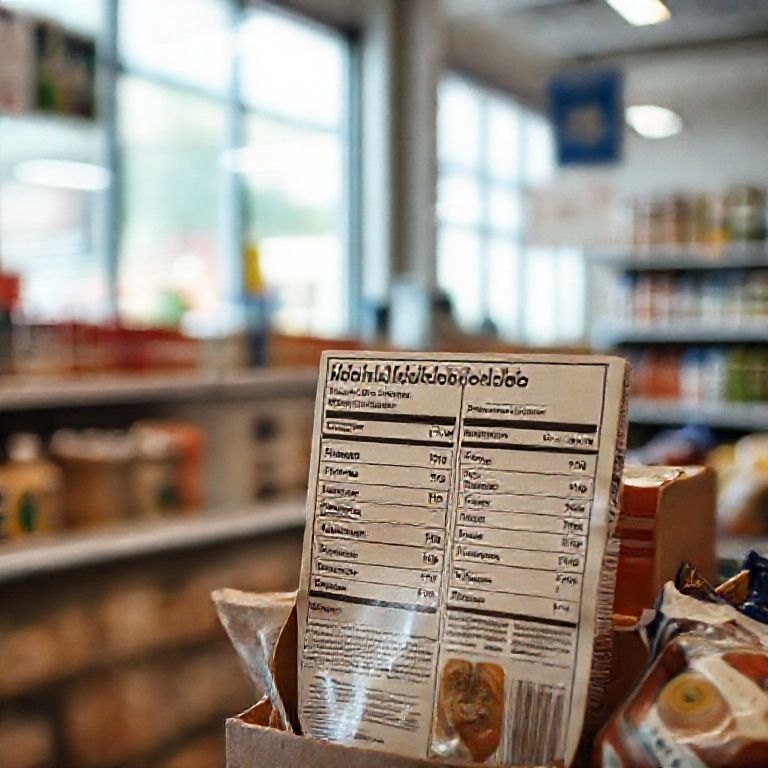
As an athlete or fitness enthusiast, you’re likely no stranger to the importance of proper nutrition in supporting your performance and recovery. With the rise of sports supplements and energy bars, it’s easier than ever to grab a convenient snack on-the-go. However, with great convenience comes great complexity – deciphering the often-confusing labels on sports nutrition products can be overwhelming. How do you know what you’re really getting? What do the terms “organic,” “non-GMO,” and “gluten-free” even mean in this context?
The truth is, many athletes are buying into marketing hype rather than making informed choices about their diet. They may assume that a product with a flashy label must be good for them, when in reality it could be filled with unnecessary additives or empty calories. But by taking the time to learn how to read sports nutrition labels, you can make smarter choices and support your performance without breaking the bank.
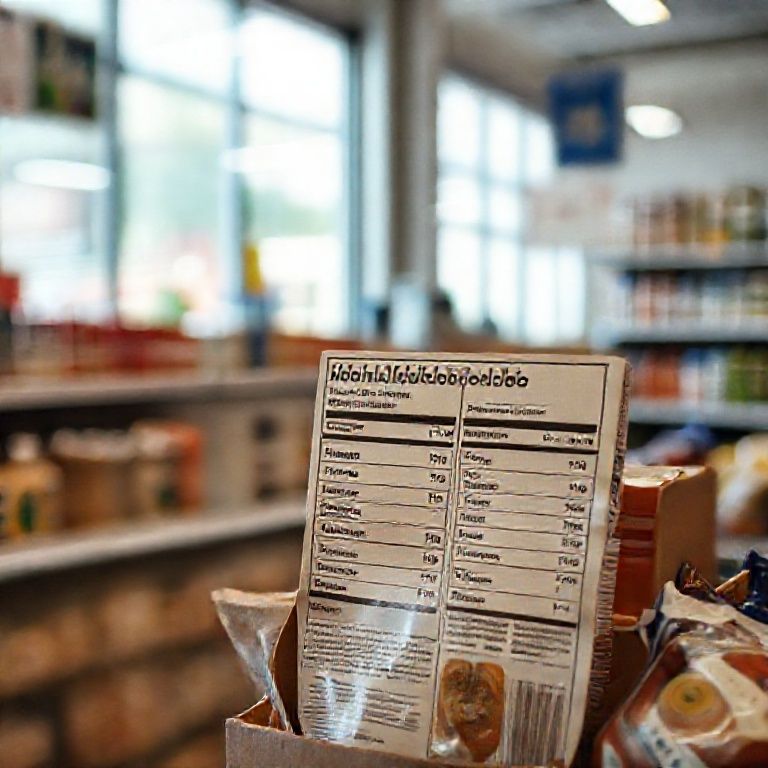
In this article, we’ll break down the key elements of a sports nutrition label, from macronutrient content to ingredient sourcing. We’ll explore what terms like “complex carbohydrates” and “probiotics” really mean in the context of sports nutrition, and provide tips for evaluating product claims and making informed decisions about your diet. Whether you’re a seasoned athlete or just starting out on your fitness journey, understanding how to read sports nutrition labels is essential for getting the most out of your snacks and supplements.
Understanding the Basics of Sports Nutrition Labels
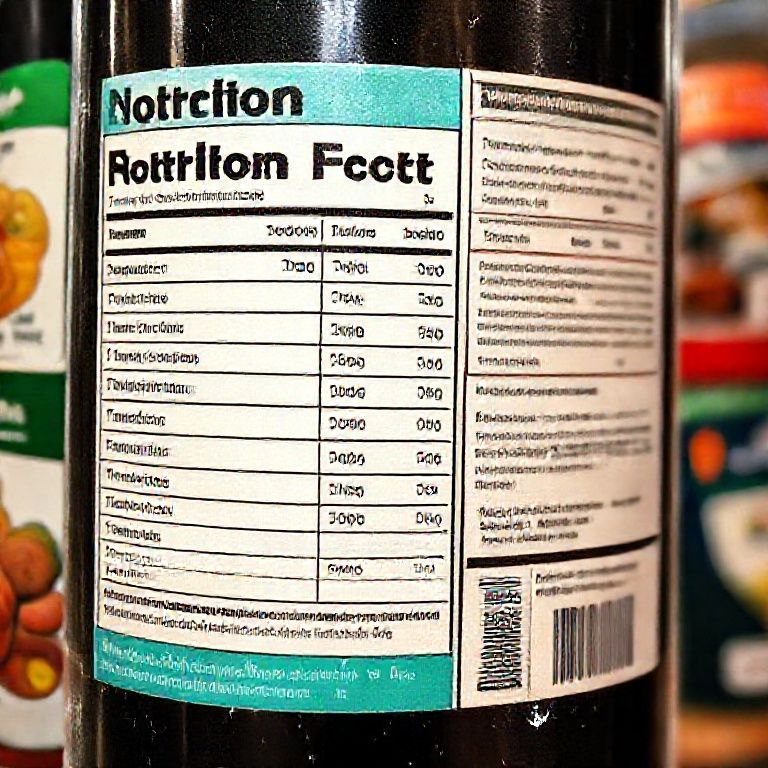
When it comes to choosing the right sports nutrition products, being able to read and understand labels is crucial. In this section, we’ll break down the key components of a sports nutrition label and provide you with practical guidance on how to make informed choices.
Key Components of a Sports Nutrition Label
A Typical Sports Nutrition Label Will Include the Following Information:
Serving Size and Amount
The serving size is usually listed as a specific amount (e.g., 1 scoop) and weight (e.g., 30g). Make sure you understand how much of the product you’re consuming with each serving. For example, if a label says “serving size: 1 scoop (30g),” make sure you’re using exactly that amount to avoid over- or under-consumption.
Macronutrient Breakdown
Sports nutrition labels will typically list the macronutrient breakdown, including protein, carbohydrates, and fat content. Look for products that provide a balanced mix of these macronutrients to support your energy needs. For instance, if a label shows 20g of protein, 30g of carbohydrates, and 10g of fat per serving, you can be confident it’s providing a well-rounded mix.
Ingredient List
The ingredient list may include added sugars, artificial flavors, and other unwanted ingredients. Opt for products with simple, recognizable ingredients that align with your dietary preferences. Be wary of products containing common allergens like peanuts or tree nuts if you have an allergy.
Reading the Nutrition Facts Panel
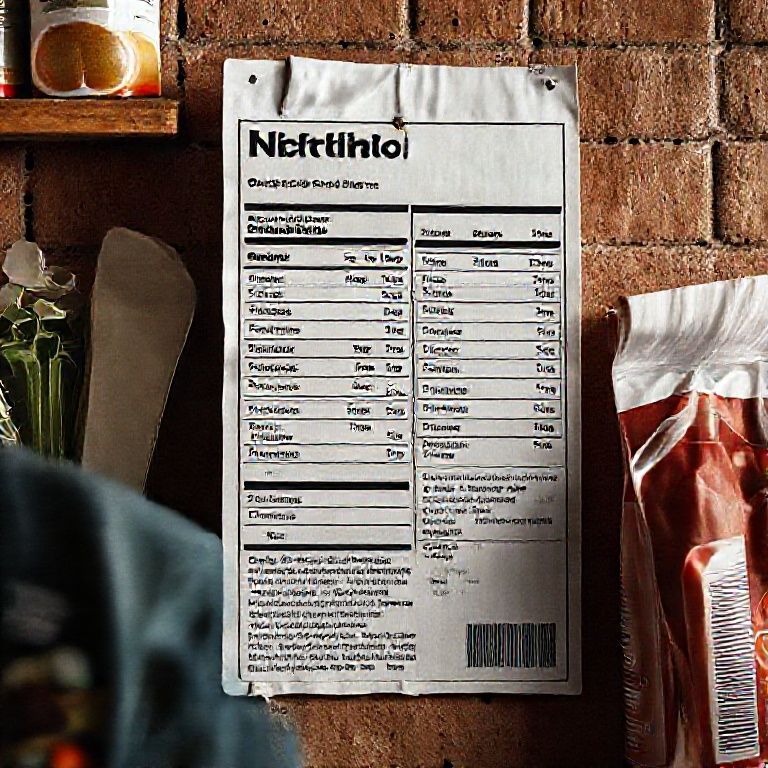
The nutrition facts panel provides detailed information on the product’s nutritional content. Here’s how to read it:
Energy Content
Look for the total energy content listed in calories (kcal) or kilojoules (kJ). This will help you determine if the product meets your daily energy needs. For example, a label might show 250 kcal per serving.
Sugar Content
Check the amount of added sugars, which should be less than 8g per serving. Some products may also list natural sugars like fructose and glucose. Look for products that use natural sweeteners instead of refined sugar.
Sodium Content
Be mindful of sodium content, especially for athletes who require low-sodium options. Aim for products with less than 200mg of sodium per serving. Some sports nutrition labels might not provide this information, so be sure to check the ingredient list or contact the manufacturer.
Interpreting the Label
When reading a sports nutrition label, consider the following:
Look for Clarity
Check if the product’s name and description clearly indicate its intended use. Be wary of products with misleading or vague labels. For instance, a label that says “Energy Drink” might not necessarily mean it’s designed for athletes.
Check for Certifications
Look for certifications like NSF International or Informed-Choice, which ensure the product meets certain standards for quality, purity, and safety. These certifications can provide peace of mind when choosing a sports nutrition product.
By following these steps and considering the key components of a sports nutrition label, you’ll be able to make informed choices that support your fitness goals.
Conclusion
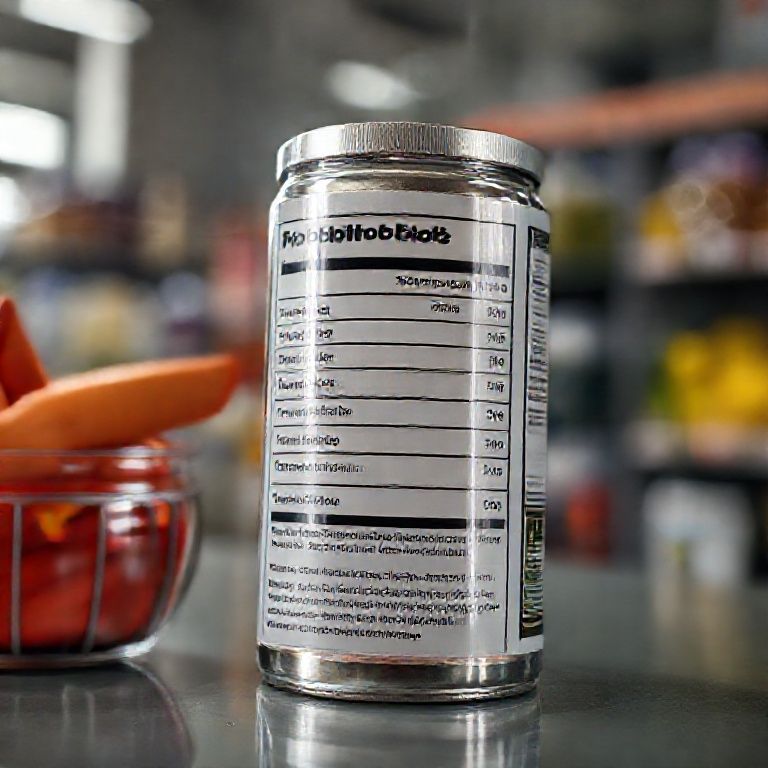
In conclusion, reading sports nutrition labels requires attention to detail and an understanding of the key terms and ingredients commonly used in sports supplements. By knowing what to look for, such as macronutrient ratios, ingredient quality, and potential allergens, athletes can make informed decisions about their supplement choices.
To take control of your sports nutrition label literacy, start by familiarizing yourself with the labels of popular sports supplements and identifying key ingredients and nutrients. Next, learn to recognize common labeling terms, such as “isolate” vs. “hydrolized,” and understand how they impact nutritional content. Finally, consult reputable sources, such as registered dietitians or qualified nutritionists, for personalized guidance on selecting the best sports nutrition products for your specific needs.
By taking the time to educate yourself on how to read sports nutrition labels, you can confidently navigate the supplement aisle and make choices that support your athletic performance and overall health.
Here are five concise FAQ pairs on how to read sports nutrition labels:
Q: What is the serving size listed on a sports nutrition label?
A: The serving size is typically indicated in units such as grams, ounces, or scoops. Use this measurement to calculate your daily intake.
Q: How do I know if a product contains added sugars?
A: Check the ingredient list for added sugars under various names like “high fructose corn syrup,” “honey,” or “maple syrup.” Aim for products with less than 8 grams of sugar per serving.
Q: What does the percentage of daily value (DV) represent on a label?
A: The DV is a standard measure of nutrient intake, representing 100% of the recommended daily amount. Look for products that meet or exceed your daily needs for essential vitamins and minerals.
Q: Can I trust the nutrition facts panel if it’s not labeled as “sports nutrition”?
A: Yes, you can still use the nutrition facts panel to evaluate a product’s nutritional content. Look for products with added nutrients like branched-chain amino acids (BCAAs), creatine, or protein that are tailored to athletes’ needs.
Q: How do I know if a product contains artificial ingredients?
Here’s a short quiz on how to read sports nutrition labels:
Question 1: What does the “Serving Size” represent on a sports nutrition label?
A) The amount of product that should be consumed per day
B) The recommended daily intake of a specific nutrient
C) The amount of product in one serving
Show answer
Answer: C
Question 2: Which of the following labels indicates that a product contains added sugars?
A) “Contains 10g of sugar”
B) “Contains 10% of the Daily Value for Sugar”
C) “Contains less than 8g of sugar per serving”
Show answer
Answer: B
Question 3: What does the “Nutrition Facts” table show on a sports nutrition label?
A) The ingredients used in the product
B) The recommended daily intake of specific nutrients
C) The amount of each nutrient per serving size
Show answer
Answer: C
Question 4: Which of the following labels indicates that a product contains a significant amount of protein?
A) “Contains at least 5g of protein”
B) “Contains more than 20g of protein per serving”
C) “Contains less than 10g of protein”
Show answer
Answer: B





Your writing style makes complex topics easy to understand!
Really enjoyed reading this. Keep up the great work! Thanks for sharing!