
Meal Prep Tips For Busy Athletes: 5 Genius Tips that Actually Work

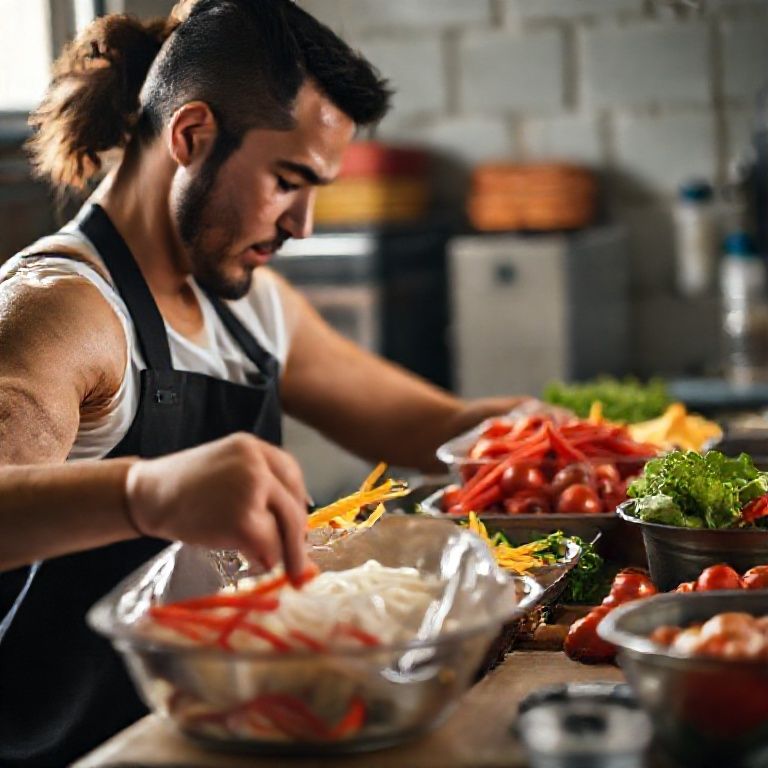
meal prep tips for busy athletes

Introduction
As an athlete, you know that fueling your body is crucial to performing at your best and recovering from intense training sessions. However, with a demanding sports schedule and a packed social calendar, it can be challenging to find time to prepare healthy meals. That’s where meal prep comes in – a game-changing strategy for busy athletes like yourself who want to optimize their performance without sacrificing taste or convenience.
Meal prep is more than just throwing some ingredients together in a container; it’s an art of planning and execution that requires some finesse. When done correctly, meal prep can save you time, money, and stress, while also ensuring that you’re fueling your body with the nutrients it needs to perform at its best. But for those new to meal prep or struggling to get started, the process can seem overwhelming.
In this article, we’ll share our top meal prep tips for busy athletes like yourself, covering everything from planning and grocery shopping to cooking and storing meals. Whether you’re a professional athlete or just starting out on your fitness journey, these expert tips will help you take control of your nutrition and achieve your performance goals.
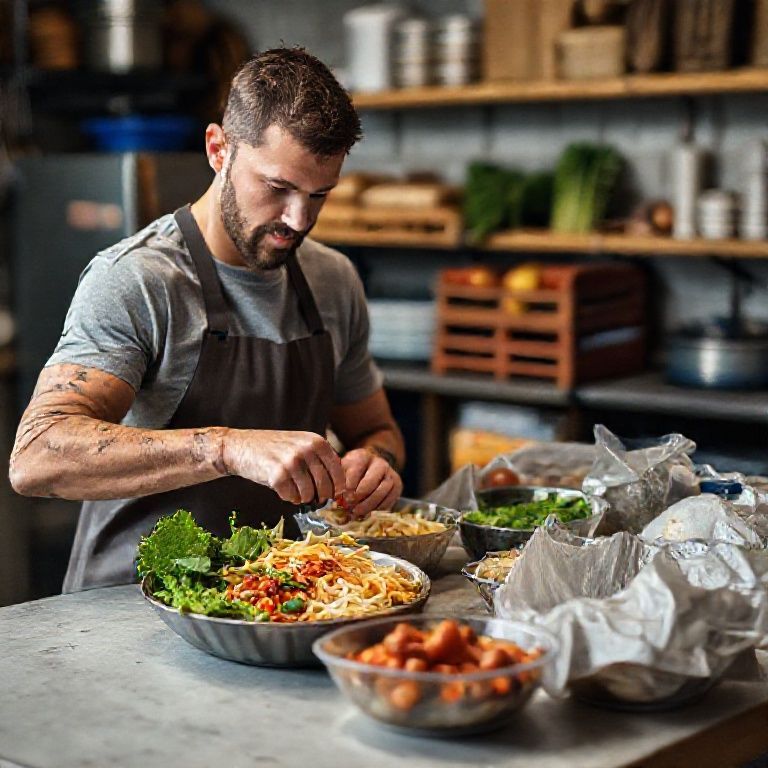
Meal Prep Tips for Busy Athletes
As an athlete, it can be challenging to balance training and competition schedules with the demands of everyday life. One key strategy for success is meal prep, which involves planning, preparing, and portioning meals in advance. By following these tips, busy athletes can optimize their nutrition, improve performance, and reduce stress.
Planning Your Meals
Before starting your meal prep journey, it’s essential to plan your meals for the week. This will help you ensure that you’re fueling your body with the right foods at the right times.
1. Set specific goals: Identify your training schedule, competition dates, and any dietary restrictions or preferences.
2. Choose a meal frequency: Decide whether you’ll eat 3-5 main meals and 2-3 snacks in between, or opt for a more flexible approach.
3. Select protein sources: Include lean meats, fish, eggs, dairy, legumes, and plant-based options like tofu, tempeh, and seitan.
Grocery Shopping
Grocery shopping can be overwhelming, especially when you’re short on time. Here are some tips to help you make the most of your trip:
1. Make a list: Write down all the ingredients you need for the week.
2. Buy in bulk: Purchase non-perishable items like nuts, seeds, and grains in bulk.
3. Shop smart: Choose whole foods over processed snacks.
Meal Prep Strategies
Now that you have your meals planned and groceries purchased, it’s time to start meal prepping!
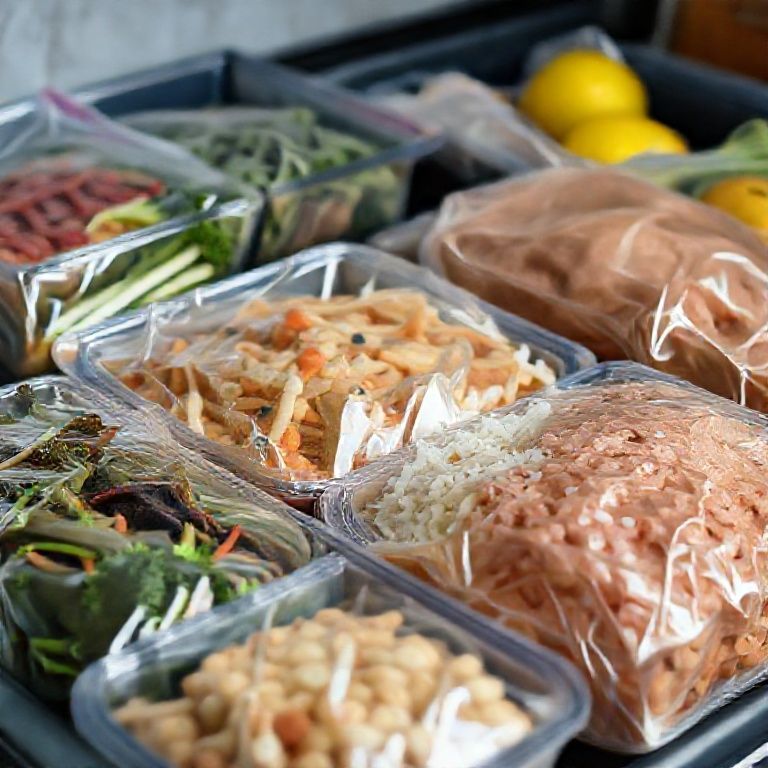
1. Cook in large batches: Prepare proteins like chicken, beans, or lentils in bulk, then portion them out into individual servings.
2. Portion control: Divide meals into serving sizes to ensure you’re fueling your body adequately.
3. Store safely: Label and date containers, store them in the fridge or freezer, and reheat as needed.
Example Meal Prep Plan
Here’s an Example Meal Prep Plan for a Busy Athlete:
Monday
Breakfast: Overnight oats with banana and almond milk
Lunch: Grilled chicken breast with quinoa and steamed vegetables
Snack: Apple slices with peanut butter
Dinner: Slow-cooked lentil soup with whole grain bread
Tips for Staying on Track
Even with the best meal prep plan, it’s easy to fall off track. Here are some tips to help you stay on course:
1. Meal prep containers: Invest in reusable containers that can be easily labeled and stored.
2. Batch cooking: Cook proteins like chicken or tofu in bulk, then portion them out into individual servings.
3. Schedule meal prep sessions: Set aside time each week for meal prep to ensure consistency.
By following these meal prep tips, busy athletes can optimize their nutrition, improve performance, and reduce stress. Remember to stay flexible, adjust your plan as needed, and always prioritize whole, nutrient-dense foods.
Conclusion
In conclusion, meal prepping is an essential strategy for busy athletes looking to optimize their performance and recovery. By incorporating these simple yet effective tips into your daily routine, you can fuel your body with the nutrients it needs to perform at its best. Don’t let a busy schedule hold you back from achieving your athletic goals – start planning and preparing meals today to take control of your health and success.
Here are five concise FAQ pairs for meal prep tips for busy athletes:
Q: What is the best way to plan my meals for meal prep?
A: Plan your meals around your training schedule, dietary needs, and personal preferences. Consider your daily caloric intake and macronutrient requirements.
Q: How can I make healthy meals that are quick to prepare?
A: Focus on whole, unprocessed foods like lean proteins, vegetables, and complex carbohydrates. Use one-pot dishes, slow cookers, or Instant Pot recipes that require minimal prep time.
Q: What is the best way to store and reheat meal prep portions?
A: Store meals in airtight containers and keep them refrigerated at 40°F (4°C) or below. Reheat meals safely by using a food thermometer to ensure internal temperatures reach 165°F (74°C).
Q: Can I portion out individual meals for each training day?
A: Yes, portioning out individual meals can help you stay on track with your macronutrient intake and training schedule. Consider labeling and dating containers to ensure you use the oldest meals first.
Q: How often should I review and adjust my meal prep plan?
Here’s your quiz:
Question 1: What is the best way to store protein-rich foods like chicken and fish for meal prep?
A) In the refrigerator at room temperature
B) In the freezer for up to 3 months
C) In airtight containers in the pantry
Show answer
Answer: B
Question 2: Which of the following ingredients is a good source of easily digestible carbohydrates for athletes?
A) Brown rice
B) Whole wheat pasta
C) Bananas
Show answer
Answer: C
Question 3: How often should you clean and sanitize your meal prep equipment to prevent cross-contamination?
A) Daily after each use
B) Weekly on the weekends
C) Monthly during the off-season
Show answer
Answer: A
Question 4: What is a key benefit of portioning out meals in advance for athletes with busy schedules?
A) Increased food waste
B) Reduced meal prep time
C) Improved mental clarity and focus
Show answer
Answer: B




Thanks for this post. Thank you for taking the time to write this.
Great article! This post is a goldmine of useful information.
Thank you for the comprehensive breakdown!