
Foam Rolling Routine For Beginners: 14 Overrated Myths that Slow You Down

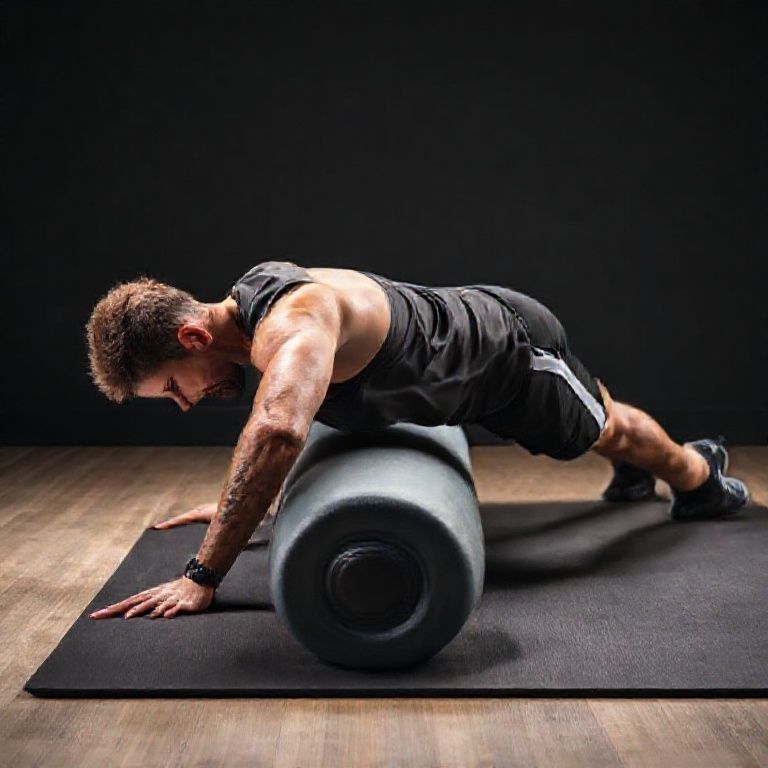
foam rolling routine for beginners
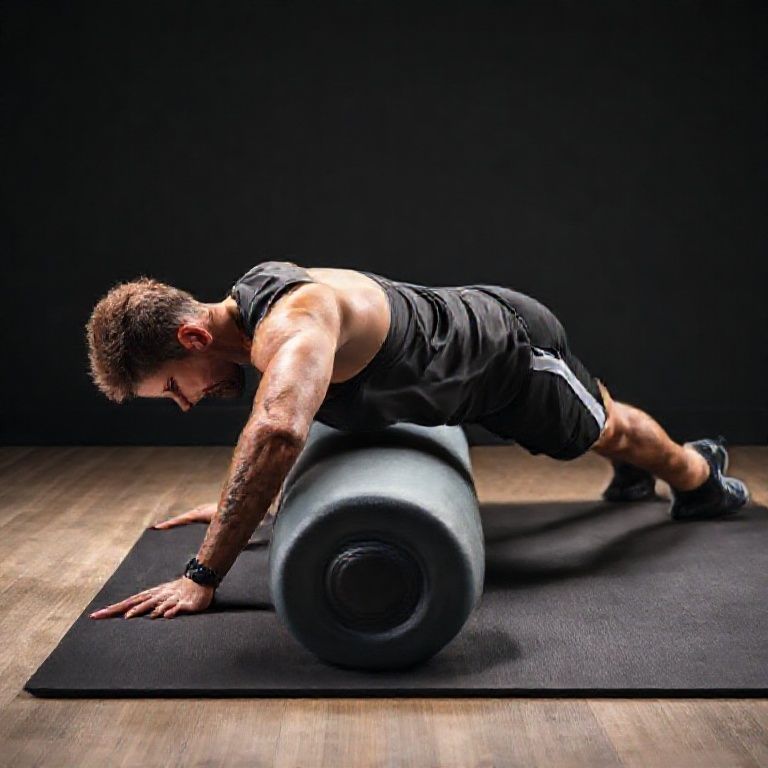
Introduction
For those new to the world of self-care and recovery, incorporating a foam rolling routine into their daily or weekly schedule can be a game-changer. As a beginner, it’s easy to feel overwhelmed by the numerous benefits of foam rolling, from reducing muscle soreness and improving flexibility to enhancing circulation and promoting relaxation. However, with a little guidance, anyone can start harnessing the power of foam rolling to improve their overall well-being.
Before diving into a routine, it’s essential to understand that foam rolling is not just about slapping a roller on your muscles and walking away. A well-structured routine requires patience, consistency, and a basic understanding of how to use the tool effectively. That’s where this article comes in â providing a comprehensive guide for beginners looking to introduce foam rolling into their self-care arsenal.
In the following pages, we’ll take you through a step-by-step introduction to foam rolling, covering the basics of what it is, how it works, and most importantly, how to create an effective routine that suits your needs and goals. Whether you’re looking to alleviate muscle tension after a workout or simply seeking a new way to relax and unwind, this beginner’s guide will equip you with the knowledge and confidence to start rolling towards better physical and mental health.
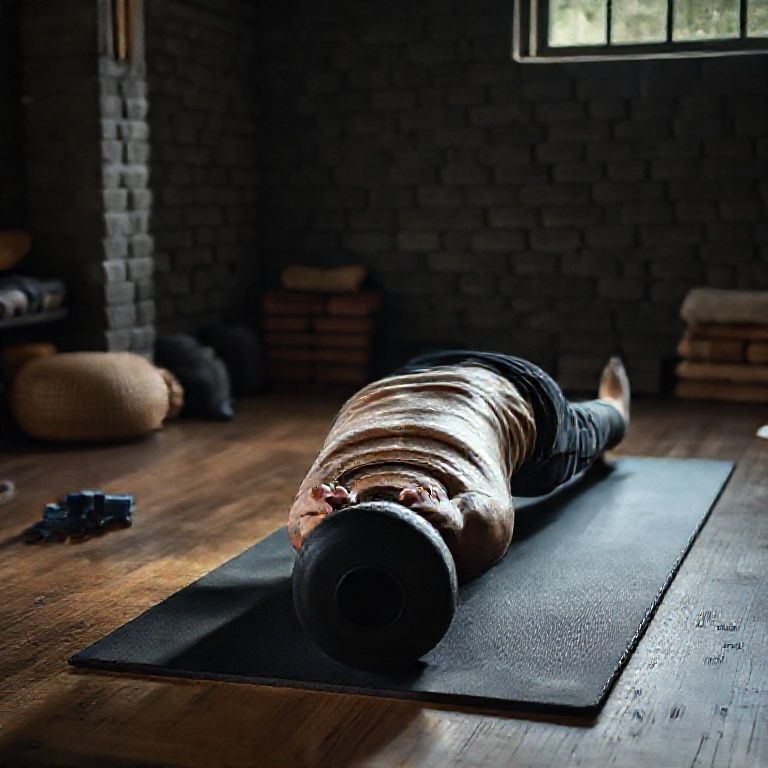
Getting Started with Foam Rolling for Beginners
As a beginner, incorporating foam rolling into your self-care routine can seem intimidating, but it’s actually quite simple once you know the basics. In this article, we’ll guide you through a step-by-step foam rolling routine that you can follow at home.
What Is Foam Rolling and How Does It Work?
Foam rolling is a form of self-myofascial release (SMR) that involves using a foam roller to apply pressure to specific areas of the body. This helps to break up adhesions in the muscles, tendons, and connective tissue, promoting relaxation, reducing muscle soreness, and improving overall recovery.
Preparing for Your Foam Rolling Routine
Before you start rolling, make sure you have a few essentials:
Essential Items Needed
A foam roller (available at most sports equipment stores or online)
Water
A towel (optional)
It’s also a good idea to consult with a healthcare professional before starting any new exercise routine, especially if you have any underlying medical conditions.
Step 1: Understanding Your Body
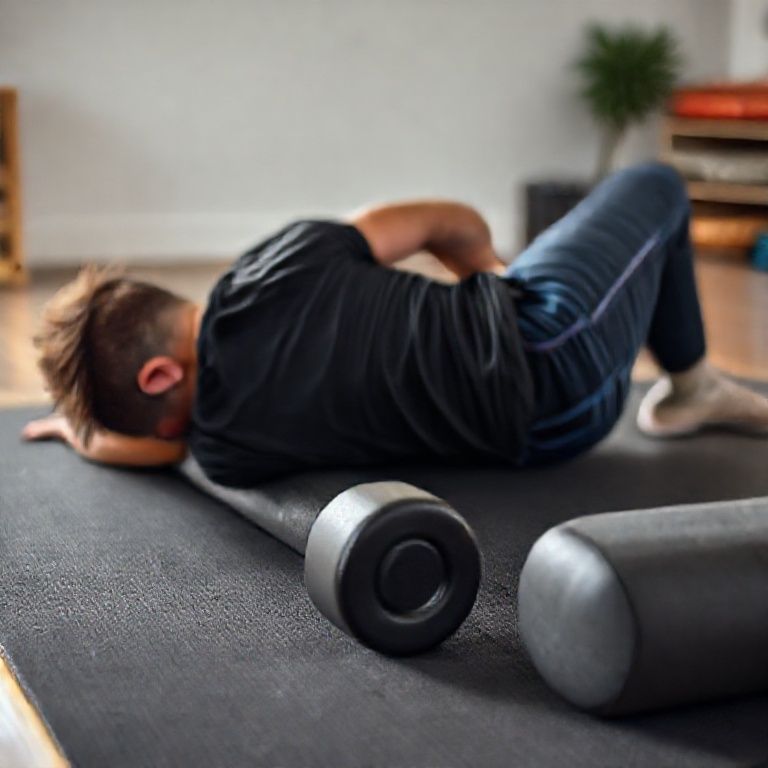
Before you begin rolling, take some time to understand your body. Lie down on the floor and identify areas of tension or soreness. These will be the areas where you’ll focus your foam rolling efforts.
Identifying Problem Areas
Look for areas of tightness or pain in your muscles
Pay attention to any knots or adhesions
Step 2: Rolling Out Your Body
Now that you’ve identified areas of tension, it’s time to start rolling. Begin with the largest muscle groups and work your way down to smaller areas.
Rolling Techniques
1. Start by holding the foam roller under your feet or on a stable surface
2. Place the foam roller on the area you want to roll out (e.g., quadriceps)
3. Slowly lower yourself onto the foam roller, applying gentle pressure
4. Hold for 10-30 seconds and release
5. Repeat as needed
Step 3: Rolling Specific Areas
Once you’ve mastered rolling out your entire body, focus on specific areas that need extra attention.
Targeted Foam Rolling
1. Hamstrings: Roll from the top of the glutes down to the calf muscles
2. Quadriceps: Roll from the top of the thigh down to the knee joint
3. Lower Back: Roll from the base of the spine down to the hips
Step 4: Staying Hydrated
Remember to stay hydrated throughout your foam rolling routine. Drink plenty of water before, during, and after rolling to help flush out toxins.
Staying Hydrated
Drink at least 8 cups (64 oz) of water per day
Take breaks to drink water every 10-15 minutes
Conclusion
Conclusion:
Congratulations on taking the first step towards incorporating foam rolling into your self-care routine! As a beginner, it’s essential to start slow and gentle to avoid discomfort or injury. Begin with short sessions of 5-10 minutes, 2-3 times a week, and gradually increase frequency and duration as you become more comfortable.
To get started, try our simple foam rolling routine:
1. Start by rolling your major muscle groups, such as your neck, shoulders, back, and legs.
2. Focus on areas of tension or pain, holding the roll for 30-60 seconds to allow for maximum relaxation.
3. Move slowly and gently, using gentle pressure to avoid discomfort.
Remember, consistency is key! Make foam rolling a habit by incorporating it into your daily routine, whether it’s after a workout, before bed, or during your lunch break. By committing to just a few minutes of foam rolling each day, you can experience the many benefits of this simple yet powerful tool for relaxation and recovery.
Join our community today and start your foam rolling journey! Share your experiences, ask questions, and get support from fellow enthusiasts who are on their own self-care journey. Together, let’s take control of our health and wellness, one roll at a time!
Here are five concise FAQ pairs for a foam rolling routine for beginners:
Q: What is foam rolling, and how does it work?
A: Foam rolling is a self-myofascial release technique that involves using a foam roller to apply pressure to specific areas of the body, helping to break up adhesions in muscles and improve circulation.
Q: How often should I start with foam rolling, especially as a beginner?
A: Begin by starting with 2-3 times per week, and gradually increase frequency as you become more comfortable with the technique. Listen to your body and take rest days when needed.
Q: Do I need to roll every muscle group at once, or can I focus on specific areas?
A: Start by focusing on areas that feel tight or sore, such as your IT band, quadriceps, or hamstrings. As you become more comfortable with foam rolling, you can expand to other areas of the body.
Q: How long should each roll last, and how deep should I press?
A: Roll for 30-60 seconds per area, applying moderate pressure (about 50% of your comfort level). If it feels too easy or uncomfortable, adjust pressure accordingly.
Q: Can foam rolling help with injury recovery, and if so, when is the best time to start?
Here’s a short quiz for foam rolling routine for beginners:
Question 1: What is the primary purpose of foam rolling?
A) To increase muscle mass
B) To improve flexibility and reduce muscle soreness
C) To enhance athletic performance
Show answer
Answer: B) To improve flexibility and reduce muscle soreness
Question 2: Which part of your body should you start with when doing a foam rolling routine for beginners?
A) Chest and shoulders
B) Back and legs
C) Shoulders and neck
Show answer
Answer: C) Shoulders and neck
Question 3: How often should you foam roll per week, especially after exercise or physical activity?
A) Daily
B) Every other day
C) 2-3 times a week
Show answer
Answer: C) 2-3 times a week
Question 4: What is the best way to hold your foam roller while rolling out your muscles?
A) Hold the foam roller with both hands at opposite ends
B) Hold the foam roller with one hand and use your body weight to apply pressure
C) Hold the foam roller with both hands, applying even pressure
Show answer
Answer: B) Hold the foam roller with one hand and use your body weight to apply pressure








This is pure gold! This was really helpful.
Very informative and well-written article.