
Core Stability Routine For Athletes: 6 Hidden Traps that Hold You Back


core stability routine for athletes

Introduction
As an athlete, you know that having a solid foundation is essential for peak performance and injury prevention. A core stability routine is a crucial component of any athletic training program, as it provides the necessary support and stability for optimal movement and power generation. However, many athletes neglect their core strength, assuming that it’s not directly related to their sport or activity.
In reality, a strong core is essential for generating force, maintaining good posture, and reducing the risk of injury. A weak core can lead to poor technique, decreased power output, and increased susceptibility to injuries such as lower back strain and hip problems. By incorporating a targeted core stability routine into your training program, you can improve your overall athletic performance, reduce your risk of injury, and gain a competitive edge.
In this article, we’ll explore the importance of core stability for athletes and provide a comprehensive guide to creating an effective core stability routine. We’ll cover the key exercises, techniques, and tips for building a strong and stable core, as well as address common misconceptions about core training. Whether you’re a professional athlete or an amateur competitor, this article will provide you with the knowledge and tools needed to take your core strength to the next level.
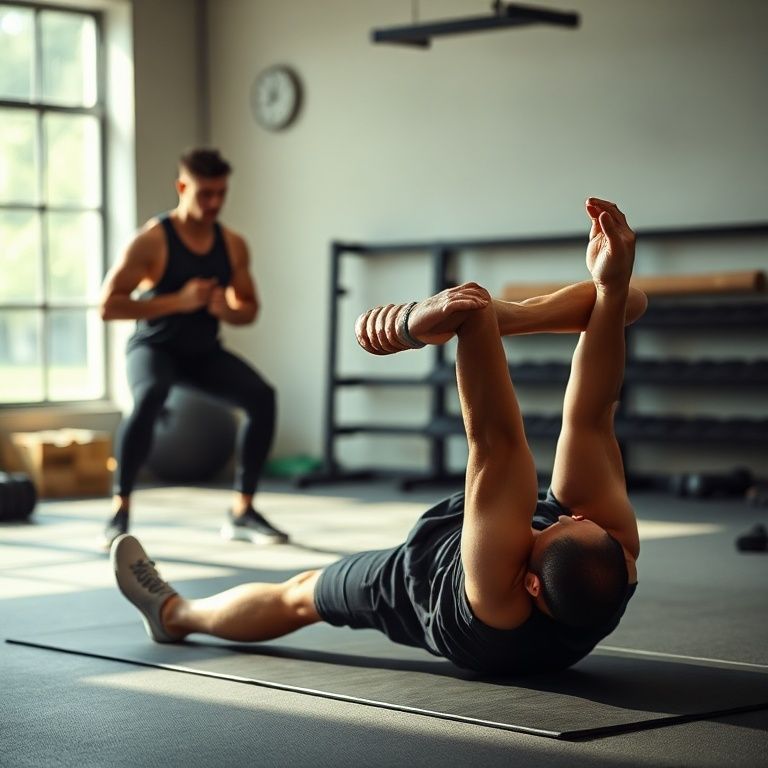
Core Stability Routine for Athletes: a Comprehensive Guide
The core stability routine is a crucial component of any athlete’s training program. A stable core provides the foundation for optimal athletic performance, reducing the risk of injury and improving overall power output. In this article, we will explore the benefits of core stability exercises for athletes and provide a step-by-step guide on how to incorporate them into your training routine.
Benefits of Core Stability Exercises for Athletes
Core stability exercises have been shown to improve athletic performance by increasing power output, reducing injury risk, and enhancing overall functional ability 1. A stable core also improves posture, balance, and coordination, allowing athletes to move more efficiently and effectively on the field or court.
Core Stability Routine for Athletes
The following is a comprehensive core stability routine that can be tailored to meet the specific needs of individual athletes. This routine consists of three phases: foundation exercises, dynamic movements, and plyometric training.
Phase 1: Foundation Exercises (Weeks 1-4)
1. Plank: Hold a plank position for 30-60 seconds, rest for 30 seconds, and repeat for 3 sets.
2. Bird Dog: Start on your hands and knees, lift your right arm and left leg off the ground, hold for a count of 5, then lower back down. Repeat on the other side. Do 3 sets of 10 reps each.
3. Russian twists: Sit on the floor with your knees bent and feet flat, lean back slightly and twist your torso from side to side, touching your hands to the ground each time. Do 3 sets of 15 reps.
Phase 2: Dynamic Movements (Weeks 5-8)
1. Lateral shuffles: Stand with your feet shoulder-width apart, shuffle sideways for 10 yards, then return to the starting position. Repeat for 3 sets of 30 seconds each.
2. Carioca drills: Perform a carioca drill by moving laterally while keeping your core engaged. Start in a standing position, take 5 steps to one side, then 5 steps to the other side, repeating for 3 sets of 30 seconds each.
3. Agility ladder drills: Use an agility ladder to perform lateral movements, such as high knees and butt kicks. Do 3 sets of 30 seconds each.
Phase 3: Plyometric Training (Weeks 9-12)
1. Box jumps: Stand in front of a box or bench, explosively jump up onto it, then step back down to the starting position. Do 3 sets of 10 reps each.
2. Depth jumps: Stand on a box or bench, jump off and immediately land on both feet, then quickly return to the starting position. Do 3 sets of 10 reps each.
Conclusion
A core stability routine is essential for athletes looking to improve their performance and reduce injury risk. By incorporating these exercises into your training program, you can develop a stable core that will provide a solid foundation for optimal athletic performance.
Core Stability Routine for Athletes
Introduction
A strong core is essential for athletes to maintain good posture, generate power, and prevent injuries. A core stability routine can help improve athletic performance, reduce the risk of injury, and enhance overall fitness.
Warm-Up and Preparation
Before starting any core exercise routine, it’s essential to warm up properly. This includes 5-10 minutes of light cardio, dynamic stretching, and mobility exercises to prepare your muscles for the upcoming workout.
Preparing Your Core Muscles
1. Identify your core muscles: The primary core muscles include the rectus abdominis, transverse abdominis, obliques, and lower back muscles.
2. Understand your goals: Determine what you want to achieve through your core stability routine, such as improved posture, increased power, or enhanced overall fitness.
Core Exercises
Strengthening Exercises
1. Plank: Hold a plank position for 30-60 seconds, rest for 30 seconds, and repeat for 3-5 sets.
Start in a push-up position with your hands shoulder-width apart and engage your core muscles to support your body.
2. Russian twists: Perform 15-20 reps of Russian twists on both sides, rest for 30 seconds, and repeat for 3-5 sets.
Sit on the floor with your knees bent and feet flat, lean back slightly, and twist your torso from side to side.
3. Leg raises: Lift your legs straight up towards the ceiling, then lower them back down without touching the floor, and repeat for 15-20 reps on both sides.
Lie on your back with your arms extended overhead and legs straight, lift your legs up towards the ceiling.
Stability Exercises
1. Single-leg deadlifts: Perform single-leg deadlifts on both sides, rest for 30 seconds, and repeat for 3-5 sets.
Stand on one leg, keeping the other foot lifted off the ground, and bend at the hips to lower your body down towards the ground.
2. BOSU ball training: Use a BOSU ball to perform exercises like squats, lunges, and deadlifts, rest for 30 seconds, and repeat for 3-5 sets.
Stand on a BOSU ball with your feet shoulder-width apart and perform squats, lunges, or deadlifts as you would on a flat surface.
Progression and Variation
Progressive Overload
1. Gradually increase the intensity of your core exercises by adding weight, reps, or sets over time.
2. Increase the difficulty of your exercises by changing the angle, depth, or range of motion.
Variety and Rotation
1. Rotate through different exercise routines every 2-3 weeks to avoid plateaus and prevent overuse injuries.
2. Incorporate exercises that target multiple muscle groups at once, such as rotational movements and plyometric exercises.
Cool-Down and Recovery
After completing your core stability routine, take the time to cool down properly with static stretches for your core muscles.
Stretching Routine
1. Focus on stretching your rectus abdominis, transverse abdominis, obliques, and lower back muscles.
2. Hold each stretch for 20-30 seconds and repeat 2-3 times on both sides.
Remember to listen to your body and adjust the intensity and volume of your core stability routine based on your individual needs and progress.


Conclusion
In developing an effective core stability routine for athletes, it is essential to consider the unique demands and requirements of each sport and position. By incorporating exercises that target the transverse abdominis muscle, rotational movements, and functional strength training, athletes can improve their overall athletic performance and reduce the risk of injury. To get started on your own core stability routine, schedule a consultation with a qualified fitness professional or physical therapist who can help you develop a personalized plan tailored to your specific needs and goals.
Here are five concise FAQ pairs for a “Core Stability Routine for Athletes”:
Q: What is the purpose of core stability exercises for athletes?
A: The primary goal of core stability exercises is to improve athletic performance, reduce injury risk, and enhance overall physical fitness.
Q: How often should I do core stability exercises as an athlete?
A: It’s recommended to perform core stability exercises 2-3 times per week, with at least one day of rest in between sessions.
Q: Do I need to engage my abs during core stability exercises?
A: Engaging your abs can actually reduce the effectiveness of core stability exercises. Focus on activating your transverse abdominis muscle, which is the deepest abdominal muscle that wraps around your spine and pelvis.
Q: Can I do core stability exercises without equipment?
A: Yes, many core stability exercises can be done without equipment, such as planks, side planks, and bird dogs. However, some exercises like rotational medicine balls or kettlebell swings may require equipment.
Q: How long should each core stability exercise take to complete?
Here’s a short quiz on core stability routines for athletes:
Question 1: What is the primary function of the transverse abdominis muscle in core stabilization?
A) To flex the spine
B) To extend the spine
C) To rotate the torso
Show answer
Answer: C) To rotate the torso
Question 2: Which exercise is commonly used to improve rotational power and stability in athletes?
A) Plank with leg lift
B) Russian twists
C) Side plank with rotation
Show answer
Answer: A) Plank with leg lift
Question 3: What type of core exercise involves contracting the abdominal muscles to maintain a stable position, often used for athletic movements like jumping or sprinting?
A) Crunches
B) Leg raises
C) Bird dog
Show answer
Answer: C) Bird dog
Question 4: Which muscle group is responsible for stabilizing the pelvis and lower back during explosive movements like jumping or landing?
A) Rectus abdominis
B) Obliques
C) Gluteus maximus
Show answer
Answer: C) Gluteus maximus





This is pure gold! Great post!
I can’t thank you enough for this information. This was really helpful.