
Interval Training Plan For Beginners: 9 Smart Steps to Make It Easier

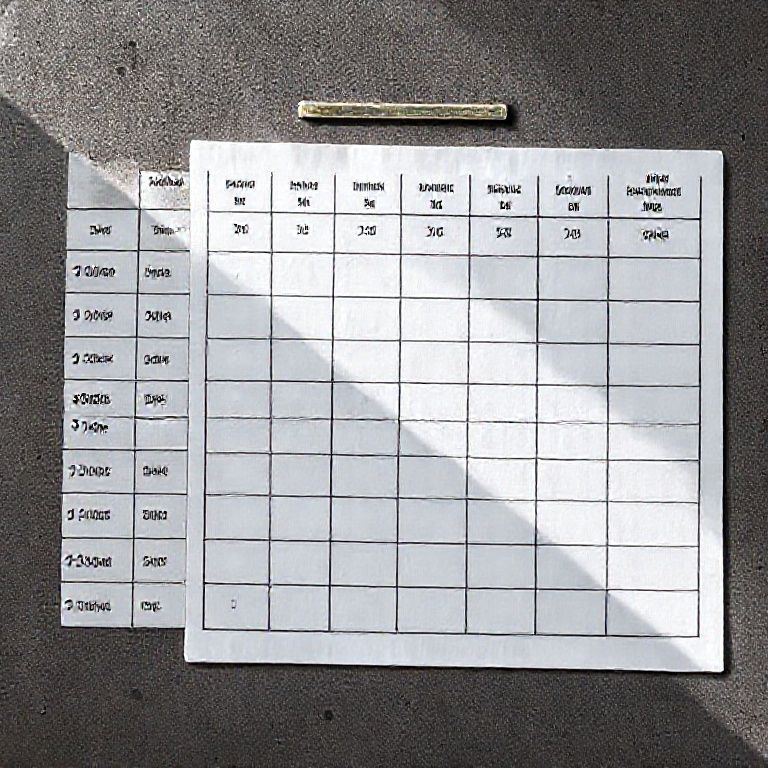
interval training plan for beginners

Introduction
For those looking to kickstart their fitness journey or take their workouts to the next level, interval training is a great place to start. This type of exercise has gained popularity in recent years due to its efficiency and effectiveness in improving cardiovascular health and burning calories. At its core, interval training involves short bursts of high-intensity exercise followed by brief periods of rest or low-intensity activity.
One of the most significant benefits of interval training is its adaptability to different fitness levels. Whether you’re a seasoned athlete or a complete beginner, there’s an interval training plan out there for you. In fact, interval training plans are often tailored specifically to suit the needs and goals of individuals who are just starting out on their fitness journey.
In this article, we’ll explore a comprehensive interval training plan designed specifically for beginners. This plan will cover the basics of interval training, including how to create your own custom workout routine and what exercises to include in each session. By following this plan, you’ll be able to experience the benefits of interval training firsthand and start seeing results in no time.

Getting Started with Interval Training for Beginners
Interval training is a type of workout that involves short bursts of high-intensity exercise followed by brief periods of rest or low-intensity exercise. This type of training has been shown to be highly effective for improving cardiovascular fitness, increasing endurance, and boosting metabolism (1). As a beginner, it’s essential to start with a well-structured interval training plan that suits your fitness level.
Understanding the Basics of Interval Training
Interval training involves alternating between periods of high-intensity exercise and periods of rest or low-intensity exercise. The goal is to push yourself to work at maximum intensity for short periods, followed by brief periods of recovery to allow your body to replenish energy stores (2). This type of training can be applied to various forms of exercise, including running, cycling, swimming, and high-intensity interval training (HIIT).
Step 1: Determine Your Fitness Goals
Before starting an interval training plan, it’s essential to determine what you want to achieve. Do you want to improve your cardiovascular fitness, increase muscle endurance, or boost your metabolism? Once you’ve set specific goals, you can tailor your workout routine to meet those needs.
Choosing the Right Exercise
Interval training can be applied to various forms of exercise, including running, cycling, swimming, and HIIT workouts. Consider what exercises you enjoy and what equipment is available to you when choosing an interval training plan. For example, if you’re a runner, you may want to start with shorter intervals and gradually increase the duration as you build endurance.
Step 2: Create a Basic Interval Training Plan
Here’s a basic interval training plan for beginners:
Warm-Up (5-10 Minutes)
Light cardio such as jogging in place or jumping jacks
Dynamic stretching such as arm circles and leg swings to prepare your muscles for high-intensity exercise
High-Intensity Intervals (20-30 Seconds)
Sprints: run at maximum intensity for 20-30 seconds, followed by a brief walk or jog to recover
Burpees: perform 10-15 burpees in a row, resting for 1-2 minutes between sets
Jump squats: perform 20-30 jump squats in a row, resting for 1-2 minutes between sets
Rest Periods (1-2 Minutes)
Light cardio such as jogging in place or jumping jacks to maintain heart rate and prevent muscle fatigue
Static stretching such as hamstring and chest stretches to help your body recover
Cool-Down (5-10 Minutes)
Static stretching such as hamstring, chest, and back stretches to help your body relax and reduce muscle soreness
Step 3: Progress and Adjust Your Plan
As you get more comfortable with interval training, it’s essential to progress and adjust your plan. Increase the intensity, duration, or frequency of your workouts over time.
Example Progression:
Week 1-2: Start with shorter intervals (20 seconds) and fewer sets (3-4)
Week 3-4: Increase interval duration to 30 seconds and add an extra set
Week 5-6: Introduce new exercises such as jump lunges or mountain climbers to mix up your routine
Tips for Success:
Start slow and listen to your body. If you need more rest time, take it.
Warm up properly before each workout to prevent injury.
Stay hydrated throughout your workout and refuel with a balanced meal or snack within 30 minutes of completing your workout.
Step 4: Incorporating Interval Training into Your Lifestyle
Interval training can be incorporated into your daily routine in various ways. For example, you can:
Take a HIIT class at the gym
Use an app such as Nike Training Club or JEFIT to guide you through interval workouts at home
Create a custom workout plan that incorporates interval training with other forms of exercise
Conclusion:
Interval training is a highly effective way to improve cardiovascular fitness, increase endurance, and boost metabolism. By starting with a well-structured plan and gradually progressing, you can achieve your fitness goals and enjoy the many benefits of interval training.
References:
1. American Council on Exercise (n.d.). Benefits of Interval Training. Retrieved from <Acefitness>
2. Shape Magazine (2020). How to Create an Effective Interval Training Plan. Retrieved from <Shape>

Conclusion
In conclusion, starting an interval training program as a beginner requires patience and dedication. To get the most out of this type of workout, it’s essential to start slow, listen to your body, and make adjustments as needed. With consistent practice and a willingness to learn, you can unlock the many benefits of interval training, including improved cardiovascular health, increased endurance, and enhanced weight loss results. So why not give it a try? Start with our beginner-friendly interval training plan and take the first step towards a healthier, more energetic you.
Here are five concise FAQ pairs for an interval training plan for beginners:
Q: What is interval training, and how does it work?
A: Interval training involves alternating between periods of high-intensity exercise and periods of rest or low-intensity exercise. This type of training can improve cardiovascular fitness, increase endurance, and boost metabolism.
Q: Do I need to have prior experience with running or cardio exercises to start an interval training plan?
A: No, you don’t need any prior experience. Interval training is suitable for beginners and can be adapted to fit your fitness level. Start with shorter intervals and gradually increase the duration and intensity as you become more comfortable.
Q: How often should I do interval training, and how long will it take to see results?
A: Aim to do interval training 2-3 times per week, with at least one day of rest in between. You can start seeing results within 4-6 weeks, but consistency is key. Stick to your plan, and you’ll begin to notice improvements in cardiovascular fitness and overall health.
Q: What types of exercises can I include in my interval training plan?
A: Interval training can be applied to various exercises, such as running, cycling, swimming, or even bodyweight exercises like burpees, jump squats, or mountain climbers. Choose the exercises that you enjoy most, and adjust the intensity and duration based on your fitness level.
Q: How do I progress my interval training plan if I find it too easy or challenging?
Here’s a short quiz for “Interval Training Plan for Beginners”:
Question 1: What is interval training?
A) A type of cardio exercise that involves continuous movement.
B) A type of strength training that focuses on high-intensity exercises.
C) A type of workout that involves alternating between periods of high-intensity exercise and rest.
Show answer
Answer: C
Question 2: How often should a beginner do interval training?
A) Daily, for at least an hour.
B) 3-4 times per week, with at least one day of rest in between.
C) Weekly, on the weekends only.
Show answer
Answer: B
Question 3: What is the primary benefit of interval training?
A) Weight loss
B) Increased muscle mass
C) Improved cardiovascular endurance and increased caloric burn
Show answer
Answer: C
Question 4: How long should each interval be in an interval training plan for beginners?
A) At least 30 seconds, with at least 1 minute of rest in between.
B) At least 10 minutes, with no rest in between.
C) At least 2-3 minutes, with at least 2 minutes of rest in between.
Show answer
Answer: A








This is pure gold! 😊
Excellent work as always!
You’ve outdone yourself with this one!
Brilliant explanation! Everything makes sense now. 👍
Really enjoyed reading this. Keep up the great work! Looking forward to more content like this.