
Edge Computing Simple Explanation: 9 Smart Steps to Make It Easier


edge computing simple explanation

Introduction
In today’s data-driven world, the amount of information generated and transmitted is staggering. With the proliferation of IoT devices, social media, and online services, our reliance on fast and reliable data processing has become increasingly important. However, traditional cloud-based computing approaches often struggle to keep up with this demand, leading to latency issues and high costs. This is where edge computing comes in – a simple explanation for a complex concept that’s revolutionizing the way we process data.
Edge computing refers to the practice of moving data processing closer to where it’s generated, rather than sending it all the way to the cloud or a central server. By doing so, edge devices can perform tasks such as data analysis, machine learning, and real-time decision-making with much faster response times and lower latency. This approach is particularly useful for applications that require instant feedback, such as autonomous vehicles, smart homes, and industrial automation.
But what does this mean in practical terms? Simply put, edge computing allows devices to process data on their own, without relying on a centralized system. This enables real-time decision-making, reduces the need for high-speed internet connections, and minimizes the amount of data that needs to be transmitted over long distances. In this article, we’ll delve deeper into the world of edge computing, exploring its benefits, use cases, and how it’s changing the way we approach data processing.
What Is Edge Computing?
Edge computing is a simple concept that has revolutionized the way we process data in today’s digital age. In traditional computing, data is processed and stored at the central server or data center, which can lead to latency issues and slow down operations. Edge computing changes this by moving the processing power closer to where the data is generated.
How Does Edge Computing Work?
The Benefits of Edge Computing
Edge computing offers several benefits over traditional computing methods. By processing data closer to its source, edge computing reduces latency and improves real-time decision-making capabilities. It also increases efficiency and reduces the load on central servers, making it a more cost-effective solution. For example, in industries with time-sensitive applications like manufacturing or emergency services, edge computing can provide instant insights and actions.
Key Components of Edge Computing
1. Edge Devices
Edge devices are the hardware components that process data at the edge of the network. These can include routers, switches, sensors, and other IoT devices. They work together to collect and process data in real-time. For instance, smart traffic management systems use edge devices to analyze real-time traffic patterns and optimize traffic flow.
2. Edge Computing Platforms
Edge computing platforms provide the software infrastructure needed to manage and process edge device data. These platforms typically offer cloud-based services that allow users to deploy and manage their own edge computing environments. Companies like AWS, Google Cloud, and Microsoft Azure offer popular edge computing platforms.
Step-by-Step Guide to Implementing Edge Computing
Step 1: Assess Your Use Case
Before implementing edge computing, you need to assess your use case and determine where the processing power is needed most. This will help you identify the best locations for edge devices. For example, if a retail store wants to analyze customer behavior, they may place edge devices in their stores or on mobile devices.
Step 2: Choose an Edge Computing Platform
Select a suitable edge computing platform that meets your needs. Consider factors such as scalability, security, and compatibility with your existing infrastructure. Some platforms also offer built-in AI and machine learning capabilities to enhance data analysis.
Step 3: Deploy Edge Devices
Deploy edge devices in strategic locations to collect data from sensors, cameras, or other IoT sources. Make sure they are properly configured and connected to the chosen edge computing platform. For instance, a manufacturing plant may deploy edge devices on their production lines to analyze real-time sensor data and optimize production processes.
Real-World Applications of Edge Computing
Edge computing has numerous real-world applications across various industries. For instance:
In retail, edge computing can be used to analyze customer behavior in real-time, improving marketing strategies.
In healthcare, edge computing can be used to process medical images and data from wearables, enabling faster diagnoses.
In smart cities, edge computing can be used to manage traffic flow, monitor energy usage, and optimize public services.
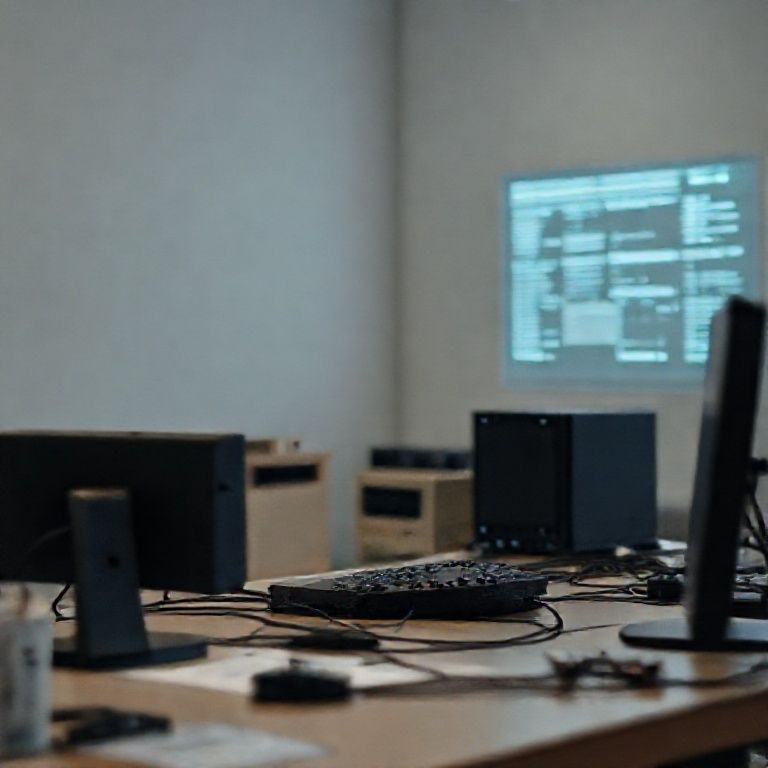
By moving processing power closer to where the data is generated, edge computing enables real-time insights and actions, improving efficiency and reducing costs.

Conclusion
In conclusion, edge computing is a game-changing technology that brings processing power closer to where data is generated, reducing latency and improving real-time decision making. By adopting edge computing, organizations can unlock new levels of efficiency, innovation, and competitiveness.
So, what’s holding you back? Take the first step towards embracing edge computing today by:
* Assessing your current infrastructure and identifying areas for optimization
* Researching edge computing solutions that meet your specific needs
* Exploring pilot projects or proof-of-concepts to test the waters
* Joining industry discussions and networking with experts to stay ahead of the curve
The future of computing is at the edge – don’t get left behind.
Here are five concise FAQ pairs for “Edge Computing” with a simple explanation:
Q: What is Edge Computing?
A: Edge Computing is a technique where data processing happens closer to the source, at the edge of the network, rather than sending all data to a central location.
Q: Why do we need Edge Computing?
A: We need Edge Computing because it reduces latency and improves real-time decision-making by minimizing data transmission time across long distances.
Q: What are the benefits of Edge Computing?
A: The benefits include reduced latency, improved security, increased scalability, and enhanced user experience in applications like IoT, gaming, and smart cities.
Q: Is Edge Computing only for IoT devices?
A: No, Edge Computing can be applied to various use cases beyond IoT, such as video streaming, online gaming, and industrial automation, where real-time processing is crucial.
Q: How does Edge Computing differ from Cloud Computing?
Here’s a short quiz on Edge Computing:
Question 1: What is the primary purpose of Edge Computing?
A) To process data in the cloud
B) To reduce latency by processing data closer to where it’s generated
C) To increase storage capacity for IoT devices
Show answer
Answer: B) To reduce latency by processing data closer to where it’s generated
Question 2: Which of the following is a characteristic of Edge Computing?
A) It requires high-speed internet connectivity
B) It allows for real-time processing and analysis of data
C) It relies solely on cloud computing infrastructure
Show answer
Answer: B) It allows for real-time processing and analysis of data
Question 3: What type of devices are often used as Edge Computing nodes?
A) High-performance servers with large storage capacity
B) Low-power, low-cost devices such as smartphones or smart home appliances
C) Large data centers with high-speed internet connectivity
Show answer
Answer: B) Low-power, low-cost devices such as smartphones or smart home appliances
Question 4: What is an example of a use case for Edge Computing?
A) Processing and analyzing large datasets in a cloud-based environment
B) Enabling real-time analytics and decision-making in industrial automation systems
C) Providing secure data storage for sensitive corporate information
Show answer
Answer: B) Enabling real-time analytics and decision-making in industrial automation systems




Well written! This is incredibly well-researched and informative.
This rocks! 🎸 Thanks for sharing!
I appreciate the depth of research in this post. 😊
I enjoyed reading this. This is incredibly well-researched and informative.
Great article! Thanks for sharing this valuable information. Thanks for sharing!
Thank you for this detailed explanation. Much appreciated! Keep up the good work!